

Quick answer
Most al ain city tourist places operate daily from 09:00 to 19:00, with general admission around 47 AED per person. Morning arrivals between 09:00 and 11:00 offer cooler temperatures and fewer crowds before the midday heat intensifies. The city's museum quarter on Mathaf Street consolidates several key sites within walking distance, making route planning straightforward.
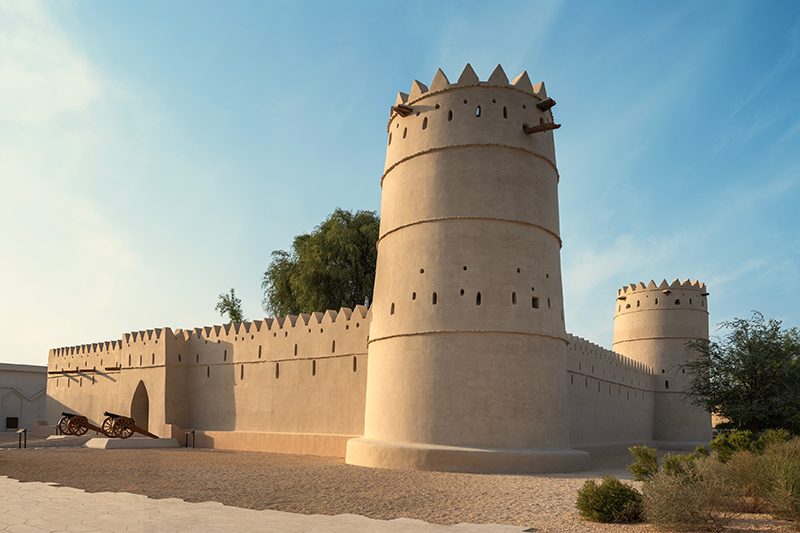
Al Ain holds the distinction of being the Arabian Peninsula's first UNESCO World Heritage cultural site, inscribed in 2011 for its falaj irrigation systems and Bronze Age settlements. The recognition wasn't ceremonial—archaeologists have documented continuous habitation here since 2500 BCE, older than the pyramids at Giza. That depth of history explains why the emirate's tourist infrastructure centers on heritage interpretation rather than contemporary spectacle. The concentration of al ain city tourist places along Mathaf Street reflects deliberate urban planning from the 1970s, when Sheikh Zayed bin Sultan Al Nahyan commissioned the National Museum (now Al Ain Museum) to preserve Emirati material culture before oil wealth erased it. The museum opened in 1971 with ethnographic galleries displaying Bedouin textiles, falaj engineering models, and pre-Islamic pottery recovered from Hili and Bida bint Saud. Successive expansions added archaeology wings and the adjacent Sultan Bin Zayed Fort, which served as the ruling family's summer residence until 1966. Today's visitors walk through restored majlis halls with palm-frond roofing and wind-tower ventilation—passive cooling technology that kept interior temperatures 10 degrees below outside air. The practical challenge isn't deciding what merits your time—the compact museum quarter makes a half-day circuit feasible—but managing the thermal envelope. Summer ground temperatures exceed 50°C by noon, rendering outdoor courtyard exhibits uncomfortable from May through September. The 09:00 opening accommodates early starts before solar gain peaks, and the extended 19:00 closure allows late-afternoon returns once shade lengthens. Winter months (November through March) flip the calculus: midday visits become pleasant, and morning fog occasionally delays photography until 10:00. Combination routes linking Al Ain landmarks with the nearby Jebel Hafeet mountain road or the camel souk in the eastern suburbs require transport planning, since pedestrian infrastructure doesn't extend beyond the city center. Most heritage sites cluster within two kilometers of each other, but the 35°C-plus ambient heat from April onward makes inter-site walking impractical without hydration stops.
“Al Ain's UNESCO inscription in 2011 recognized 2,500 years of continuous oasis settlement—older than Egypt's pyramids.”
Optimal Timing for Visiting Al Ain City Tourist Places
The best arrival window is 09:00–11:00 to avoid mid-day heat and peak afternoon crowds. Planning your visit during the cooler months ensures a more comfortable experience while exploring the city's outdoor attractions.
November to March
ModerateMild with temperatures 20°C–28°C
This period offers the most comfortable weather for walking between sites. Expect higher visitor numbers during these peak months.
April and October
Low to moderateWarm with temperatures 30°C–35°C
These shoulder months provide a balance of manageable temperatures and fewer crowds. Mid-day sun remains intense during these periods.
May to September
Very lowHigh with temperatures 40°C+
Extreme heat makes outdoor activity difficult during the day. Visiting during the early morning hours is essential for comfort.
Verdict: The optimal time to visit is during the cooler months of November to March, arriving promptly at 09:00 to maximize your time before the mid-day heat.
Standard Opening Hours for Al Ain City Tourist Places
The following schedule outlines the standard operating hours for major attractions in Al Ain, allowing for efficient daily itinerary planning. Most locations maintain consistent daily operations throughout the week.
| Monday | 09:00–19:00 | |
|---|---|---|
| Tuesday | 09:00–19:00 | |
| Wednesday | 09:00–19:00 | |
| Thursday | 09:00–19:00 | |
| Friday | 09:00–19:00 | |
| Saturday | 09:00–19:00 | |
| Sunday | 09:00–19:00 |
Must-See Attractions Among Al Ain City Tourist Places
Al Ain offers a variety of historical and natural sites that reflect the heritage of the United Arab Emirates. Visitors can explore these zones to understand the region's transition from traditional oasis life to its modern development.
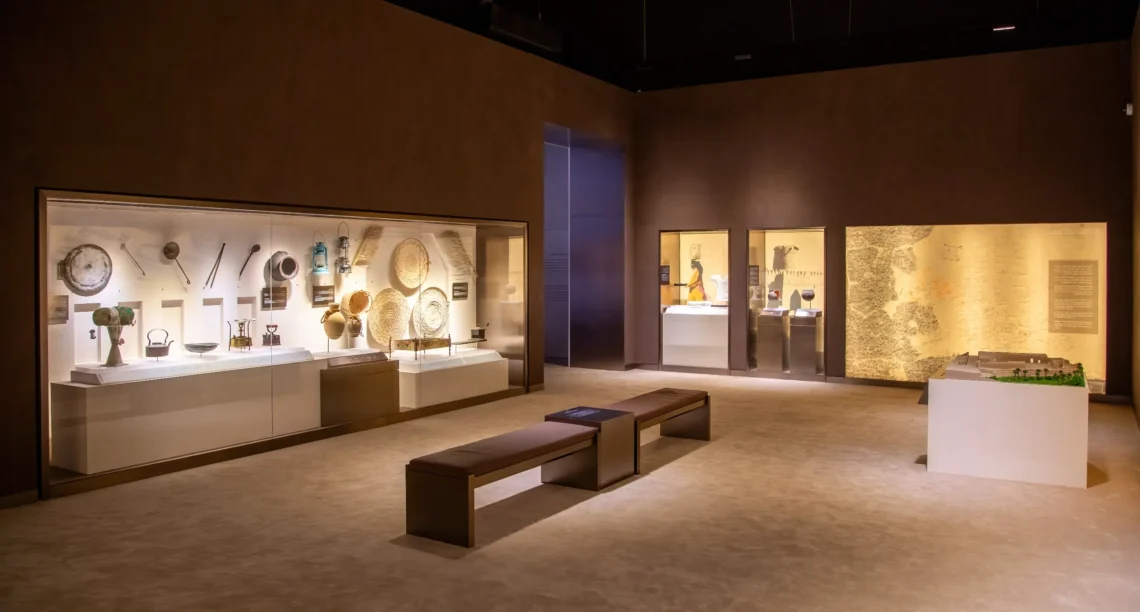
Al Ain Museum
This site houses a collection of archaeological findings and ethnographic artifacts that document local history. It provides context for the region's ancient past and cultural traditions.
Walk the interior gallery first to avoid missing smaller clay artifacts.
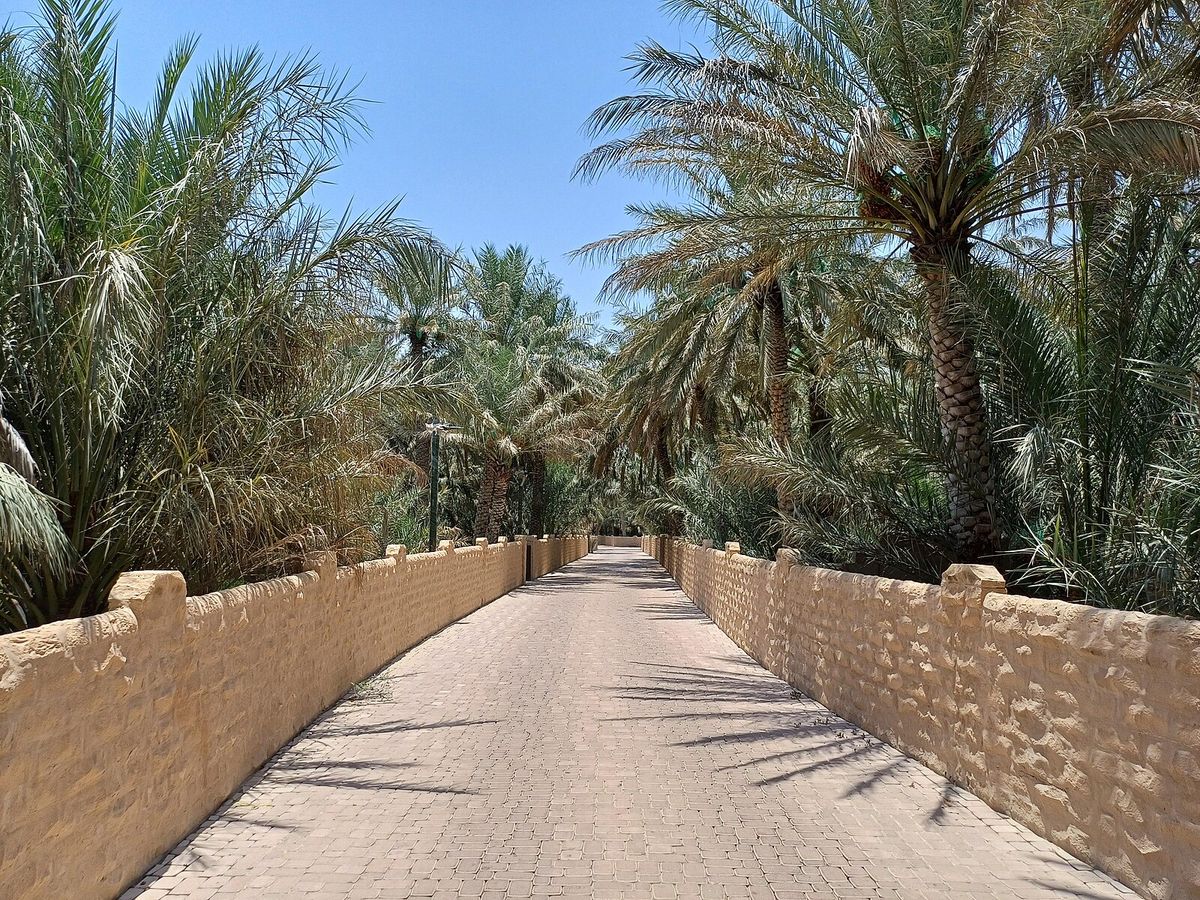
Al Ain Oasis
A sprawling date palm plantation featuring an ancient falaj irrigation system. Walking paths wind through the dense groves, providing shade and cooler temperatures.
Visit the outer perimeter paths early to photograph the palm canopy.
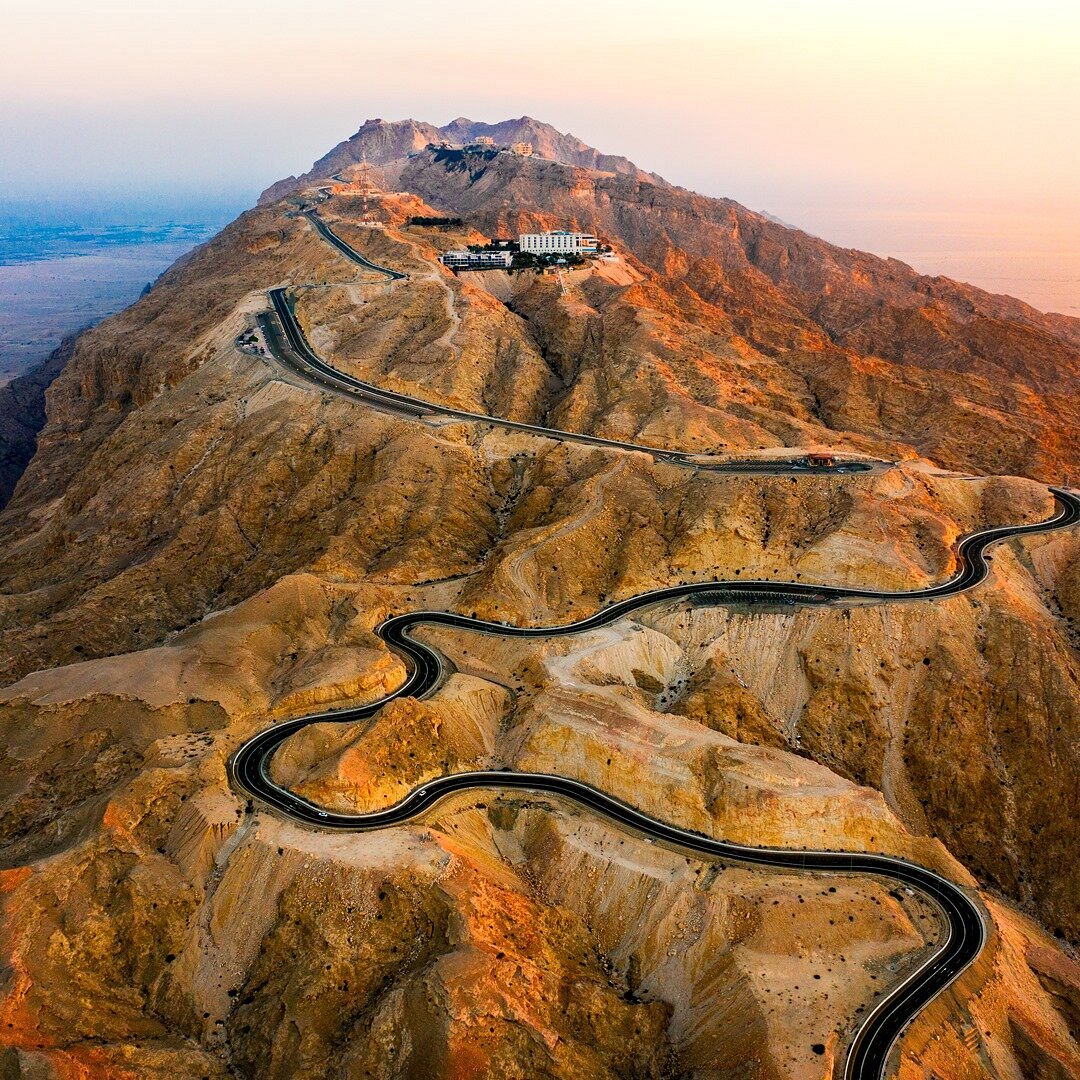
Jebel Hafeet
This mountain range offers panoramic views of the city and surrounding desert landscape. The winding road to the summit is a popular route for those observing the topography.
Drive to the summit parking area to view the sunset clearly.
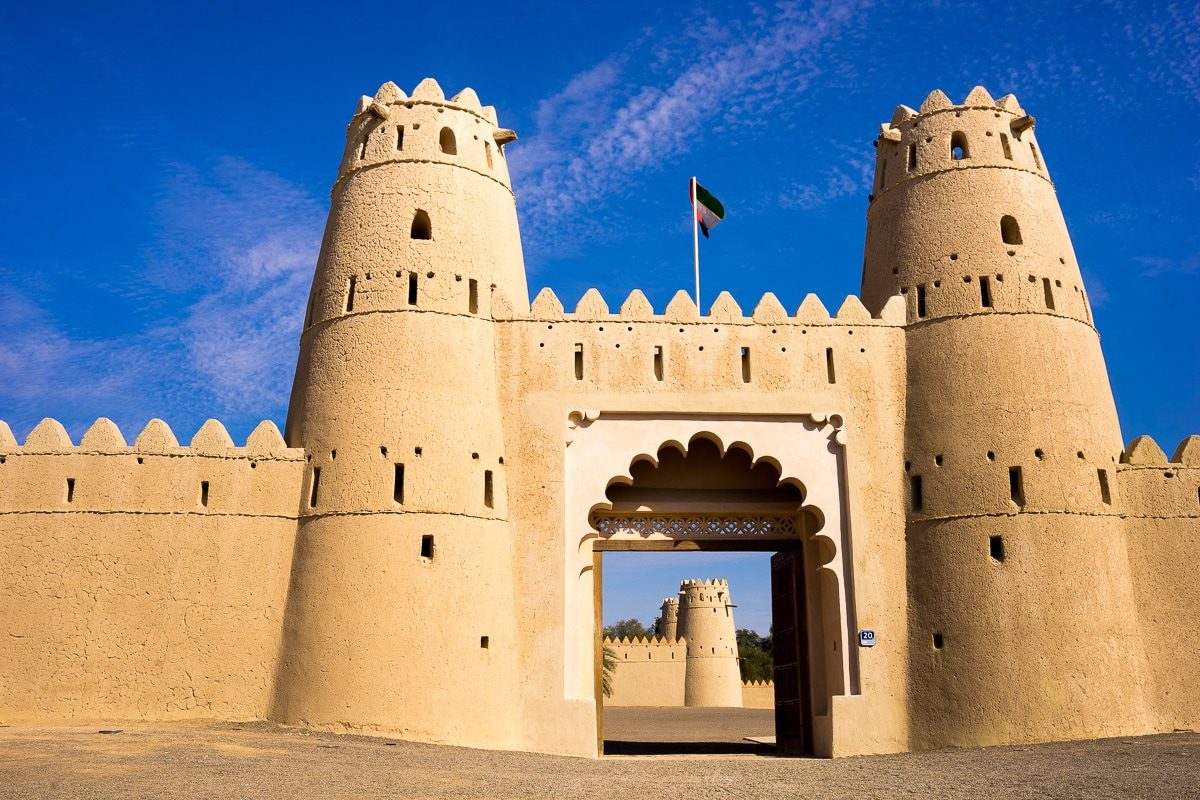
Al Jahili Fort
One of the largest historical forts in the country, known for its circular tower and mud-brick architecture. It serves as a focal point for understanding defensive structures in the region.
Inspect the western wall exterior for details on traditional construction.
Logistics and Transport to Al Ain City Tourist Places
Al Ain is centrally located in the Eastern Region of Abu Dhabi, with primary tourist sites accessible via Mathaf Street. Most visitors reach the city by road, utilizing well-maintained highways connecting from Abu Dhabi or Dubai.
E22 motorway from Abu Dhabi to Al Ain
Intercity Bus E201 from Al Ghubaiba Station, Dubai
Direct transfer via Al Ain Road (E66)
Combining Your Visit to Al Ain City Tourist Places
Visitors often combine a trip to the museum with other nearby cultural and natural landmarks to experience the historical depth of Al Ain. These sites are located within a short drive, allowing for a structured itinerary focused on the region's heritage and landscapes.
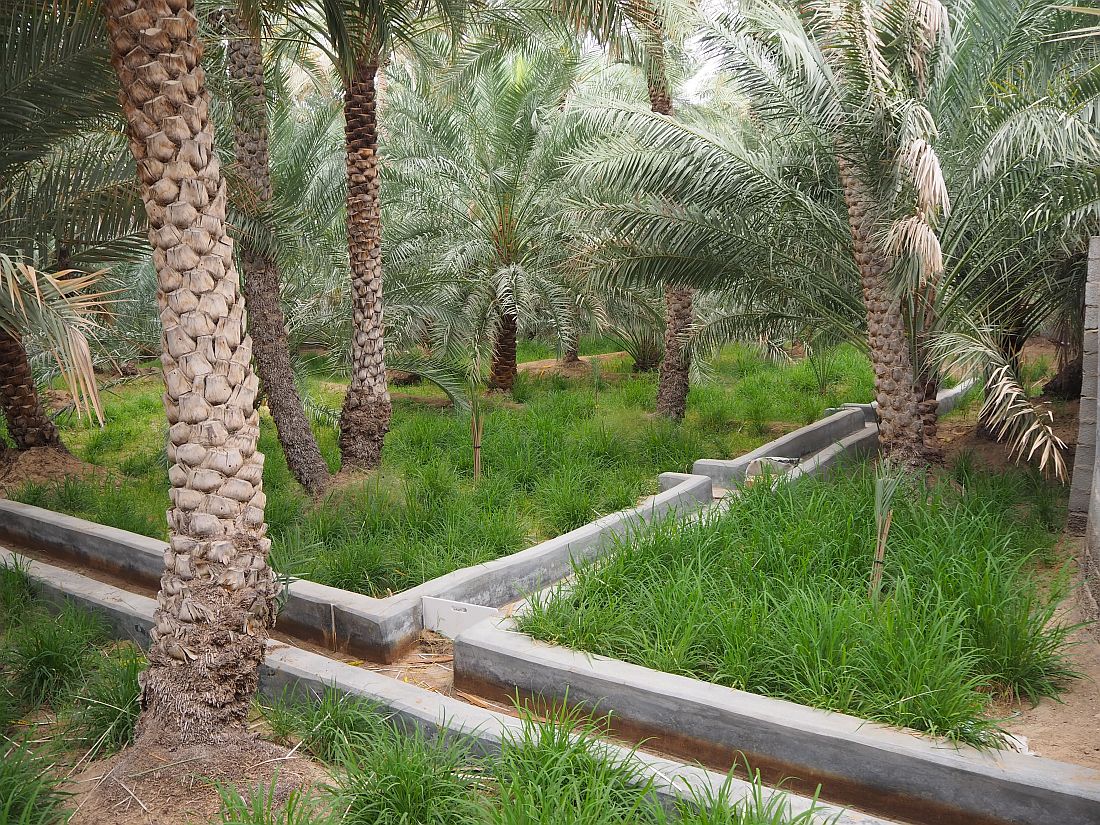
Al Ain Oasis
This expansive palm grove offers shaded walkways that complement the indoor museum visit with a natural, outdoor experience.
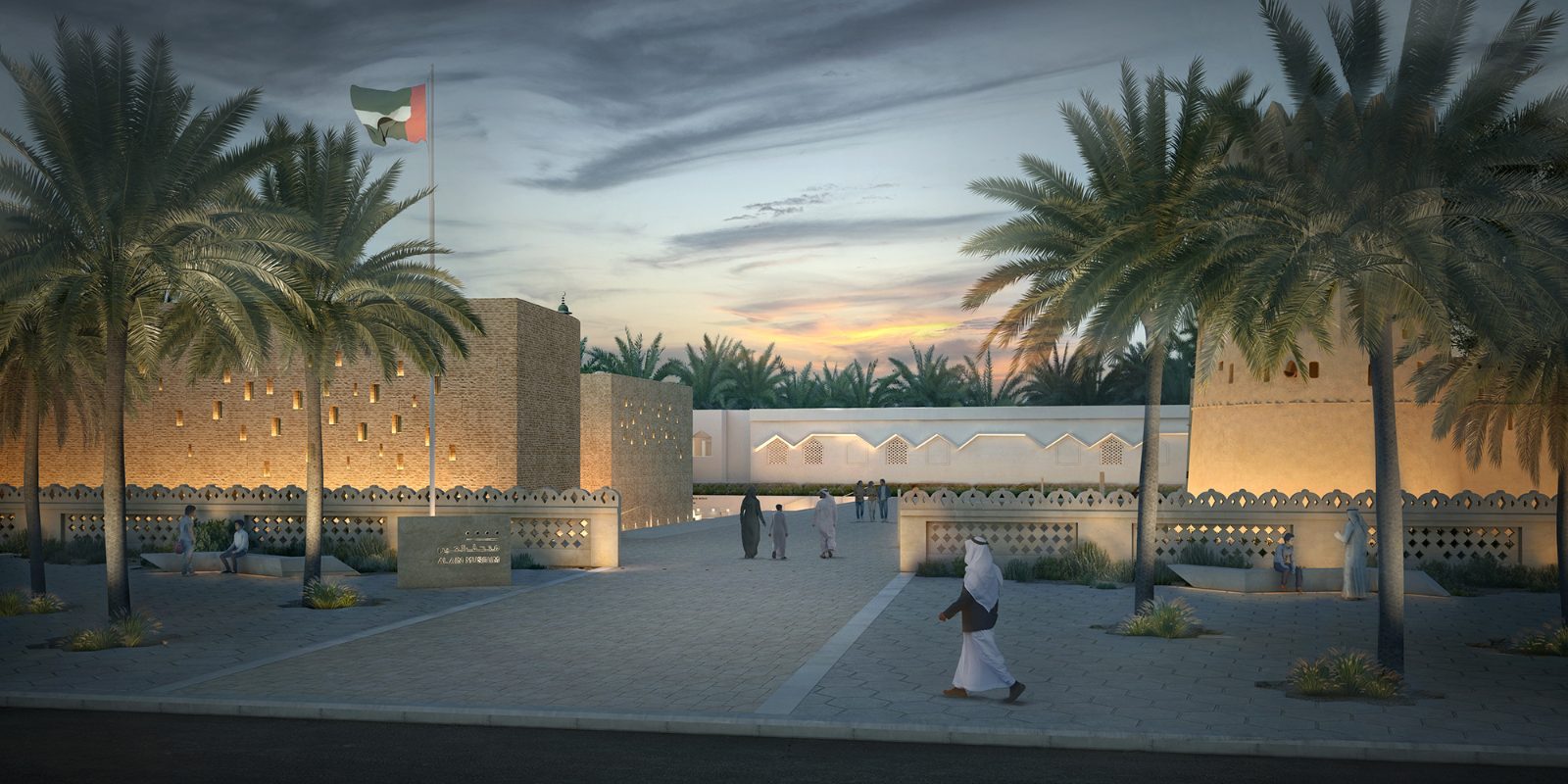
Sultan Fort
Located in close proximity, this historic fort provides further context to the regional defense and architectural style seen in the city.
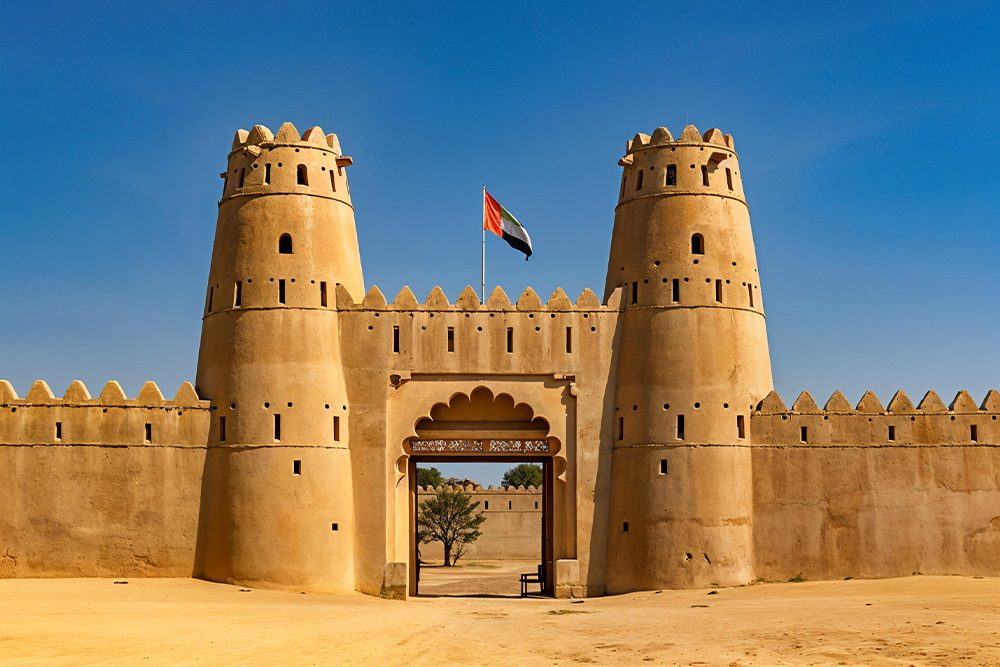
Al Jahili Fort
As one of the largest forts in the country, it serves as a logical follow-up to explore Al Ain’s political and military history.
Check availability
Frequently asked questions about al ain city tourist places
Everything you need to know about al ain city tourist places