9 hr
Al Ain Full-Day Heritage & Nature Tour
- Expert local guide
- Small group
- Skip-the-line access
- Free cancellation
Al Ain City Tour — UNESCO Heritage & Desert Oases
Seven thousand years beneath the palms, where falaj channels still carve green corridors through stone.
Compare fares, pick the fit — all bookings are mobile-voucher and eligible for free cancellation where shown.
9 hr
8 hr
8 hr
| Experience | Duration | Rating | Pickup | Skip-the-line | Guide | Small group | Price | |
|---|---|---|---|---|---|---|---|---|
|
Guided Experience
Most popular
Al Ain Full-Day Heritage & Nature Tour
|
9 hr | ★ 4.5 | ✓ | ✓ | ✓ | ✓ | €102 | Book → |
|
Guided Experience
Al Ain Garden City Full-Day Tour from Dubai
|
8 hr | ★ 4.1 | ✓ | ✓ | ✓ | ✓ | €72 | Book → |
|
Guided Experience
Al Ain Garden City Full-Day Tour from Dubai
|
8 hr | ★ 4.4 | ✓ | ✓ | ✓ | ✓ | €170 | Book → |
Hand-picked experiences loved by thousands of travelers
9 hours
Free Cancellation
Explore the UAE's garden city with fort visits, camel markets, mountain views, and thermal springs
10 hours
Free Cancellation
Journey through UAE's garden city visiting historic forts, lush oases, mountain peaks, and cultural sites
8 hours
Free Cancellation
Explore the UAE's lush oasis with mountain peaks, ancient artifacts, camel markets, and rare wildlife
10 hours
Free Cancellation
Discover Al Ain's heritage sites, lush oases, and mountain peaks on a full-day cultural journey
9 hours
Free Cancellation
Journey from Dubai to Al Ain's verdant oasis, historic palaces, and mountain peaks on this full-day cultural adventure
8 hours
Free Cancellation
Journey through the UAE's cultural oasis with visits to museums, forts, mountain peaks, and wildlife
9 hours
Free Cancellation
Journey to the UAE's garden city for palaces, forts, desert views and mountain landscapes in a full-day tour
7 hours
Free Cancellation
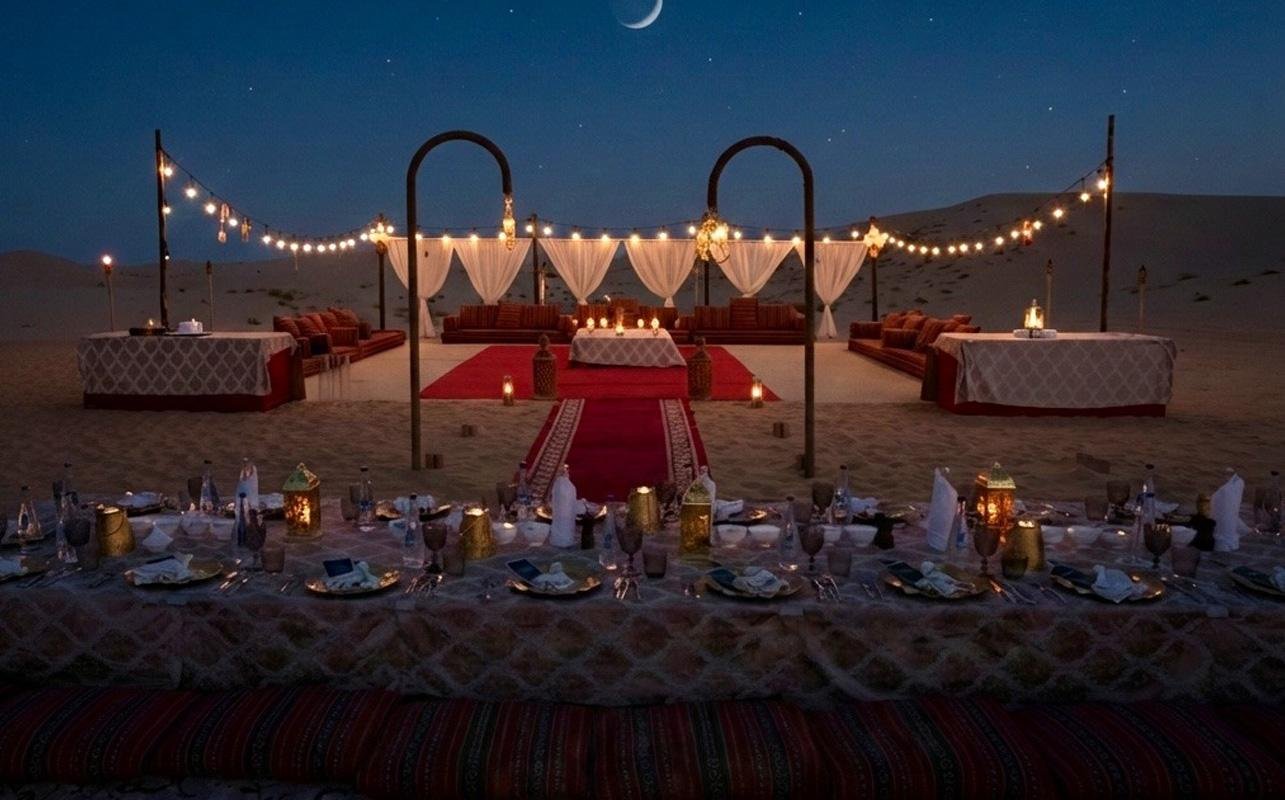
Intimate dune dining with sunset views, campfire ambiance, and freshly grilled cuisine under the stars
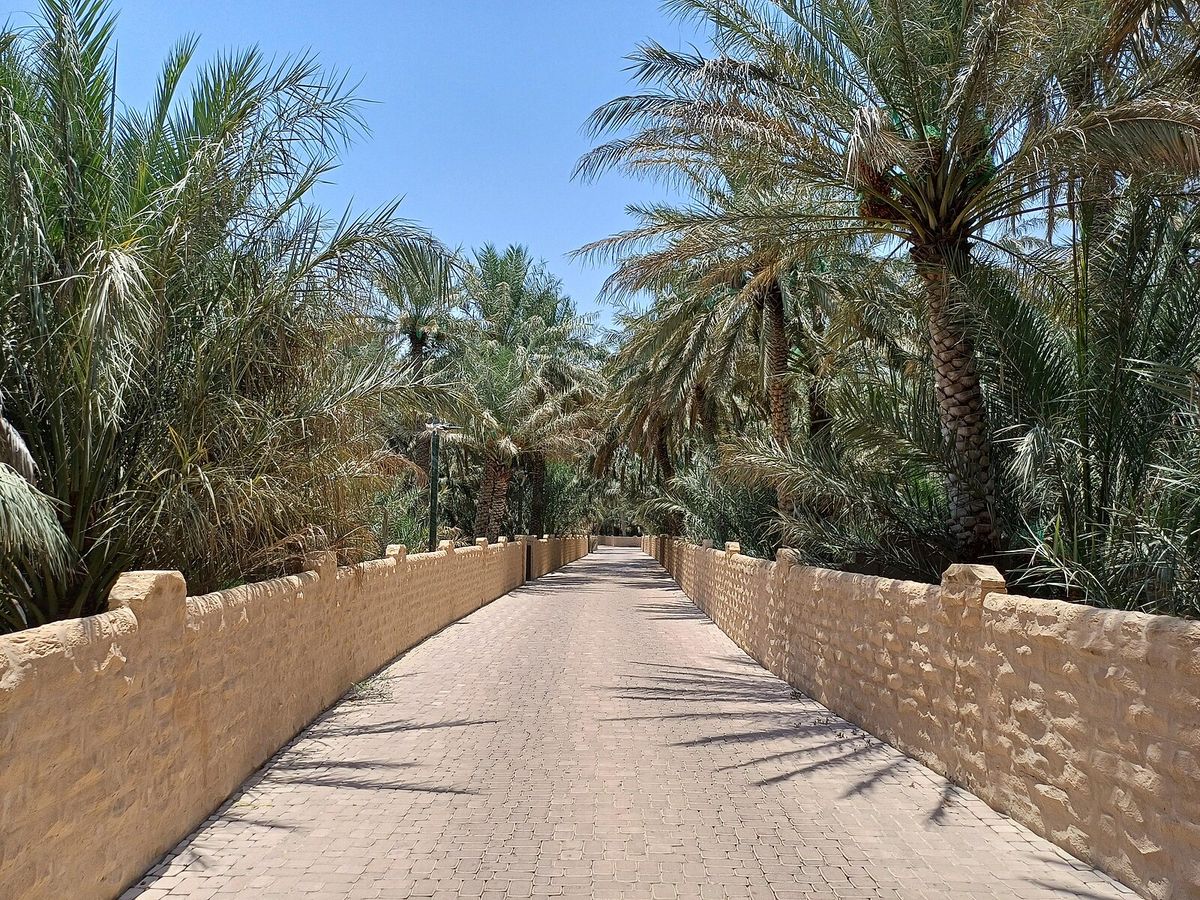
A 1,200-hectare UNESCO World Heritage site with over 147,000 date palms and an ancient falaj irrigation system.
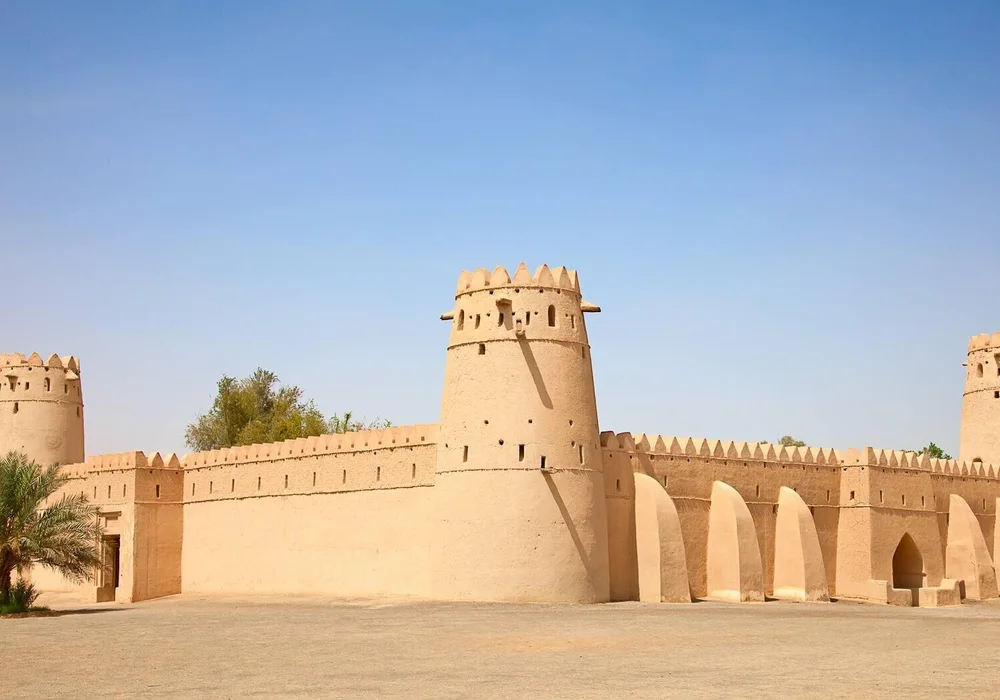
A historic 19th-century mud-brick fort that houses an exhibition of photographs by British explorer Wilfred Thesiger.
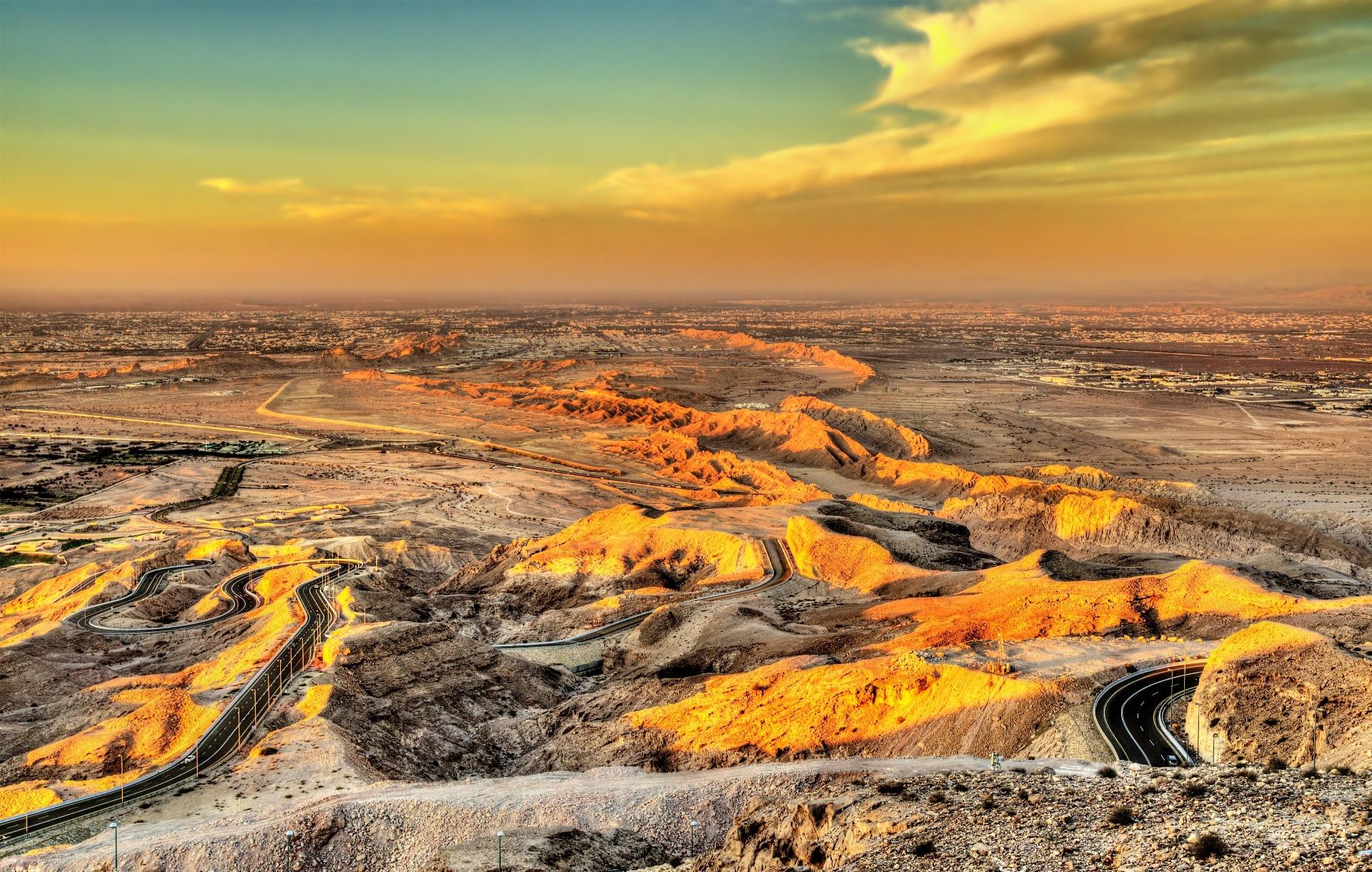
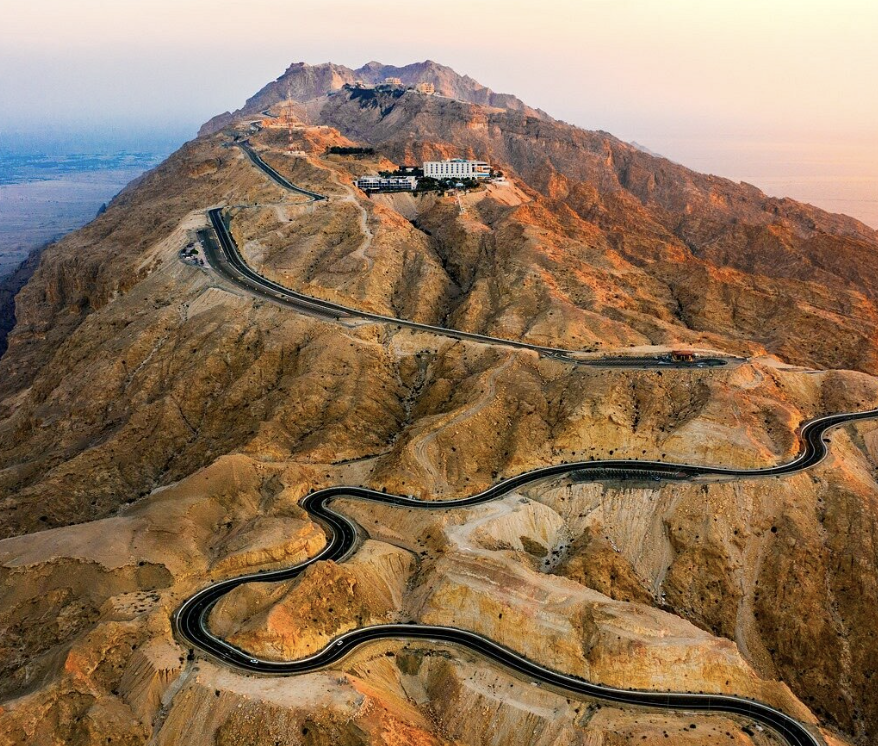
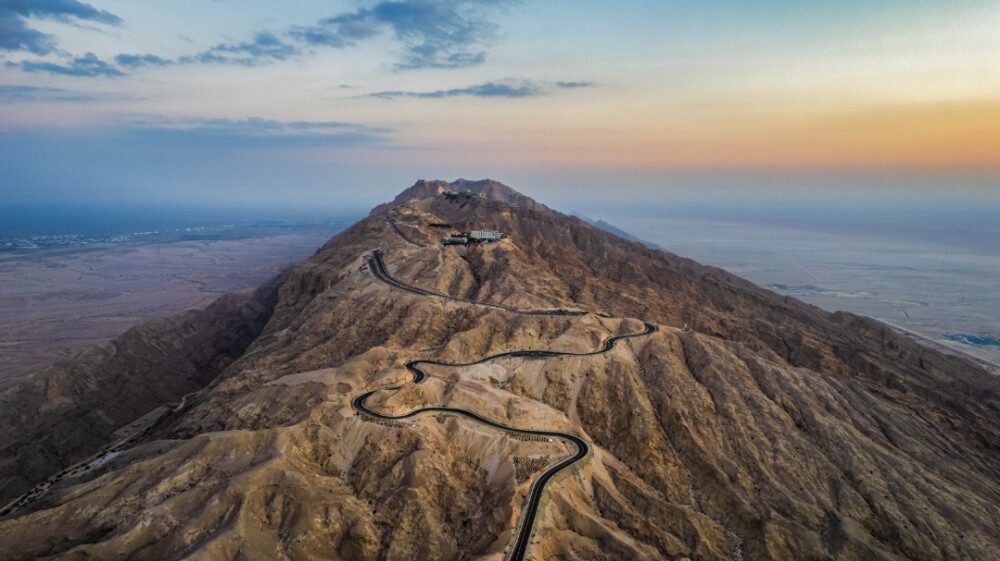
The UAE's second-tallest mountain offering a 1,240-meter elevation and panoramic desert views from the summit.
The former residence of Sheikh Zayed bin Sultan Al Nahyan, showcasing traditional architecture and family history.
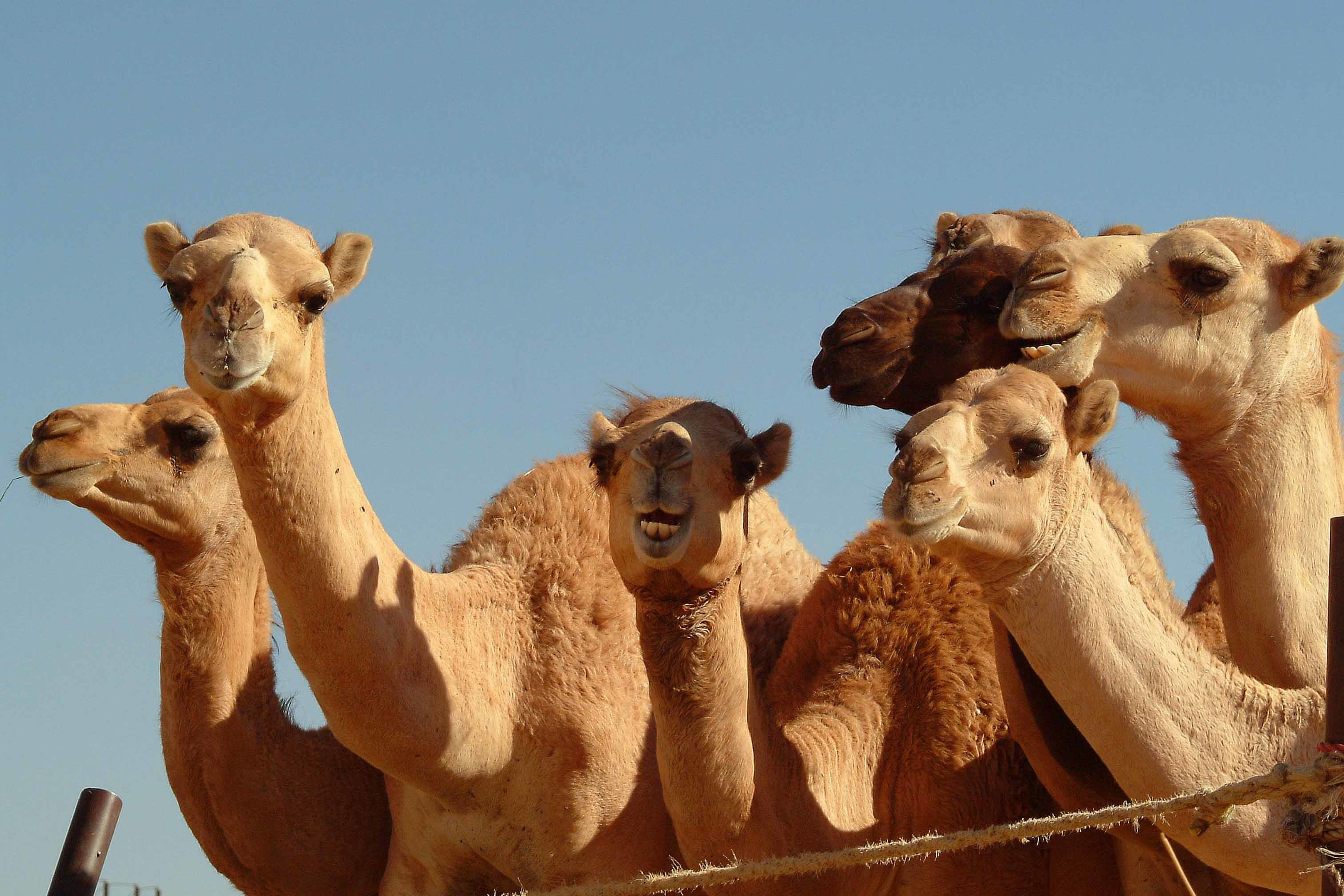
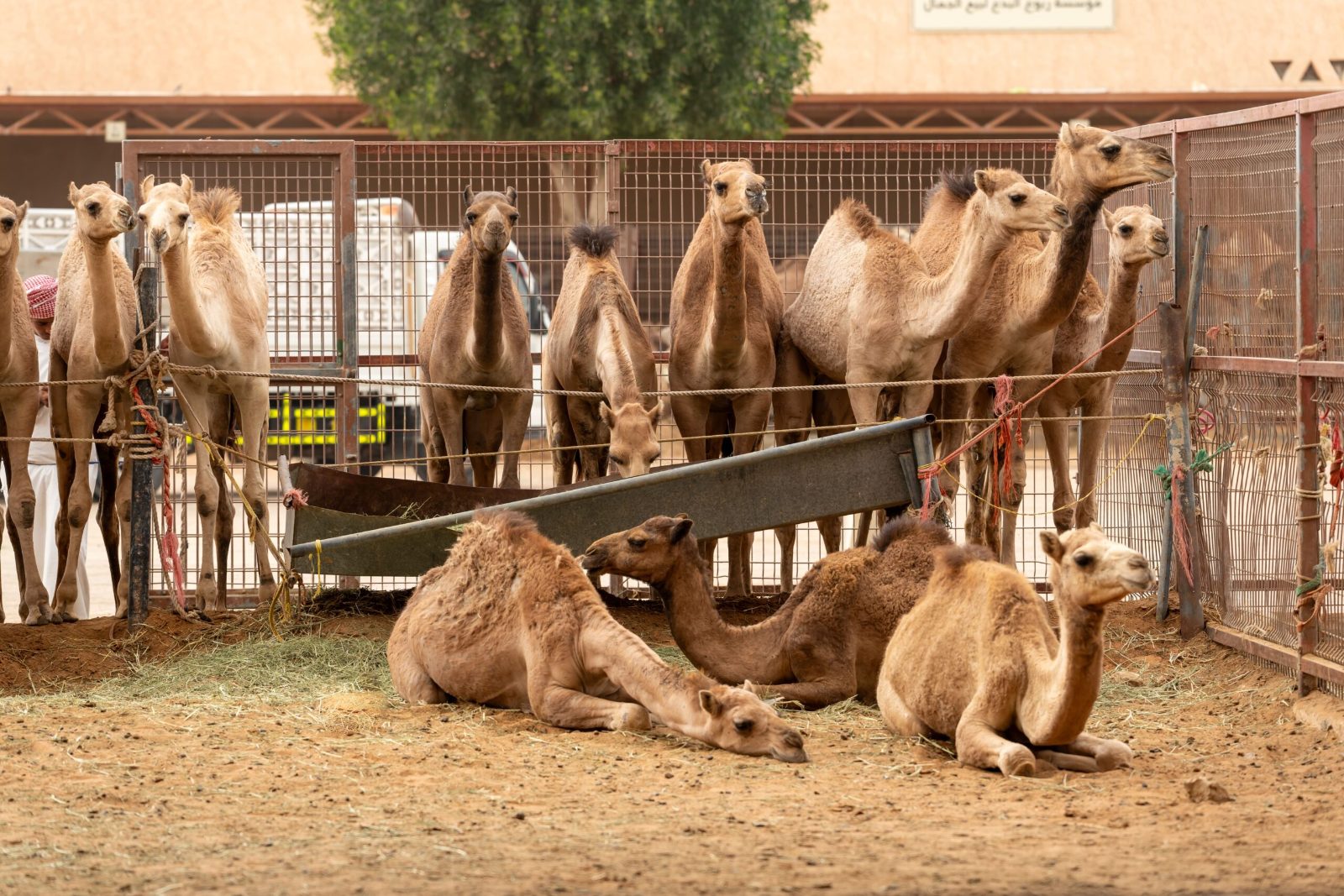
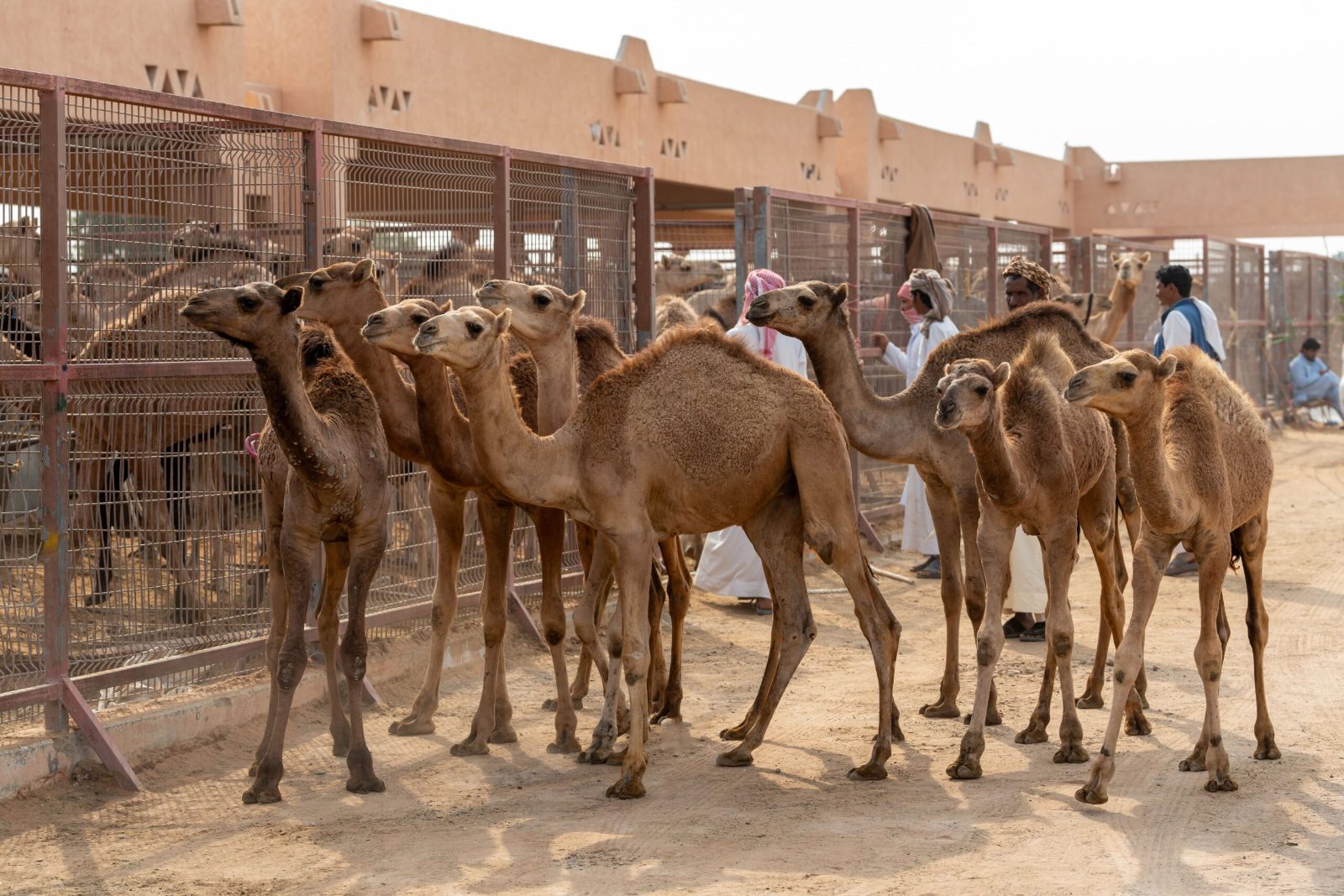
A traditional marketplace where visitors can observe the historic Bedouin culture of livestock and camel trading.
You begin at the Al Ain Oasis eco-centre, where a wall-sized map traces 3,000 years of falaj tunnels branching like capillaries beneath your feet. Follow the shaded footpaths into the palm forest—147,000 trees planted in deliberate rows, their fronds forming a canopy so dense you lose sight of the sky.
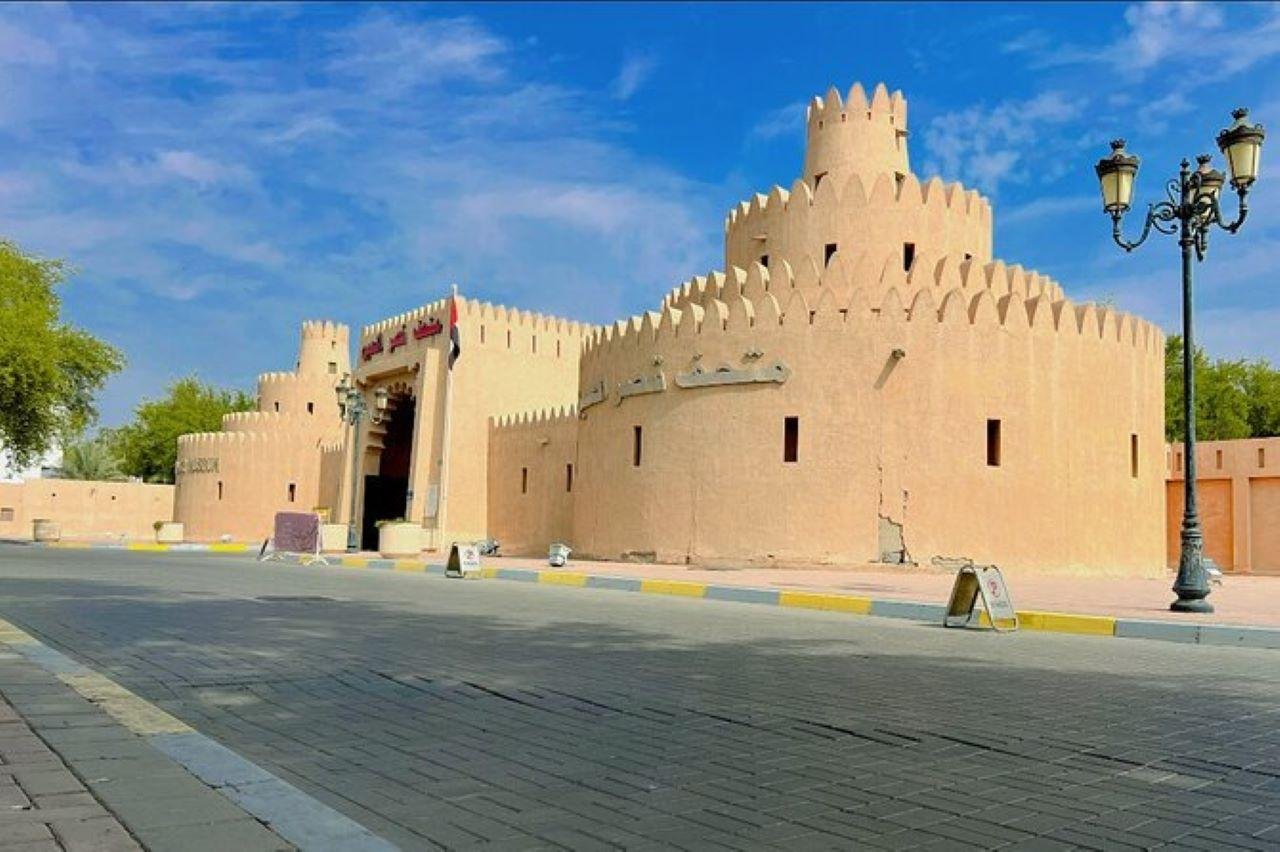
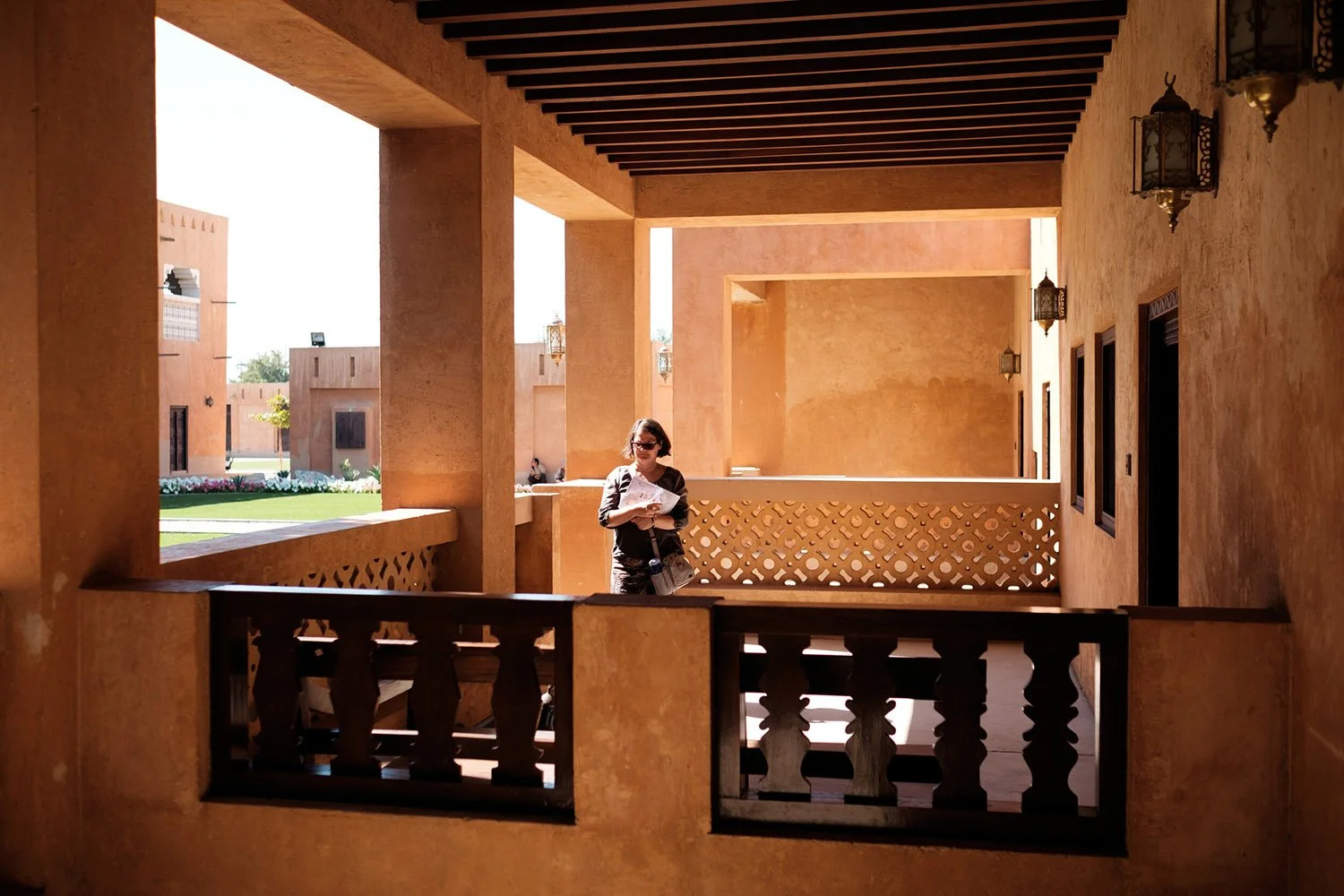
The air drops ten degrees; you hear water trickling through hand-dug channels older than most European cities. Walk two kilometres to the oasis edge, then drive fifteen minutes southeast to Qasr Al Muwaiji, where coral-stone walls and carved wooden doors frame the courtyard where Sheikh Zayed grew up. The museum's second floor holds black-and-white photographs of the city when it was still a cluster of forts defending date harvests from Bedouin raids.
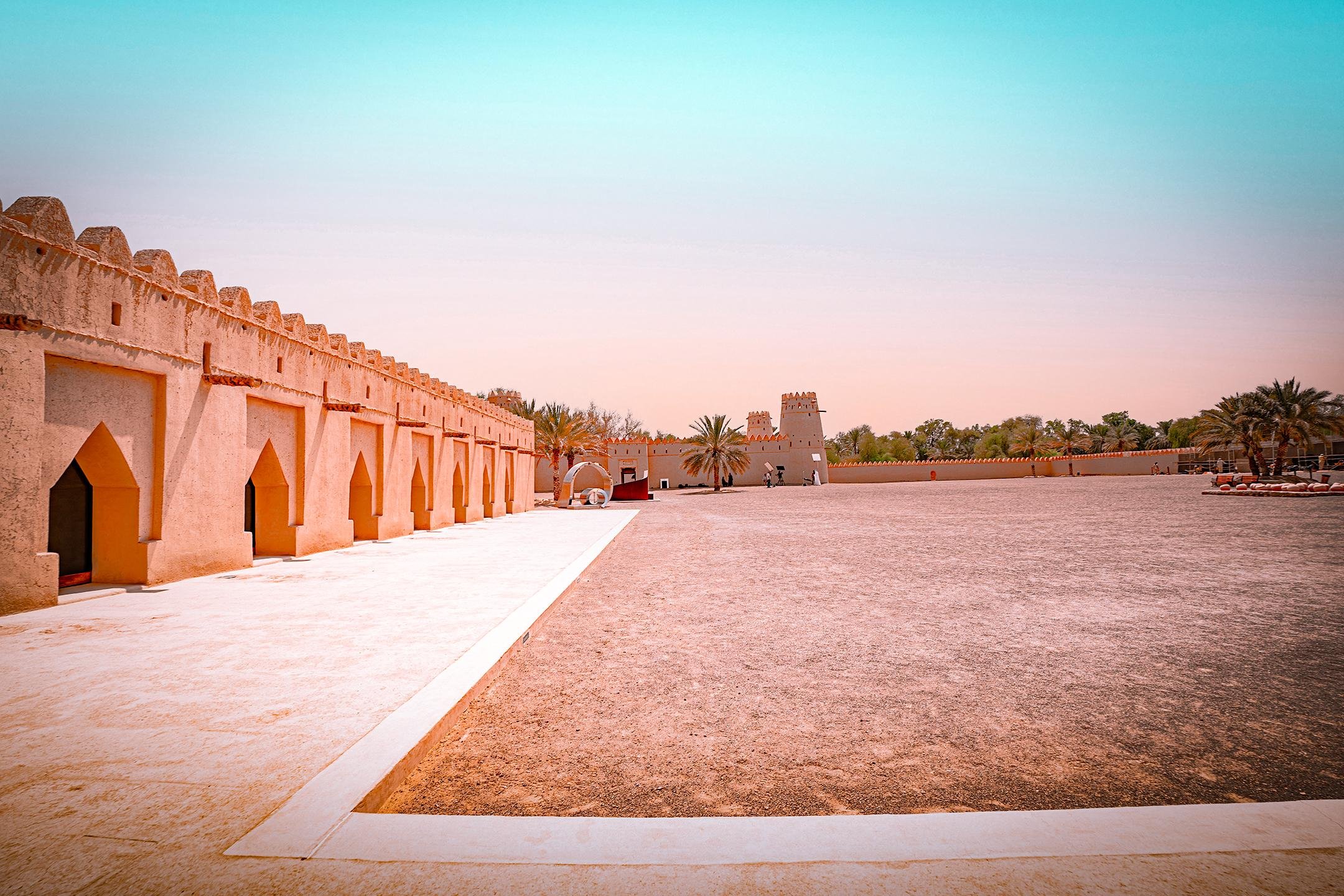
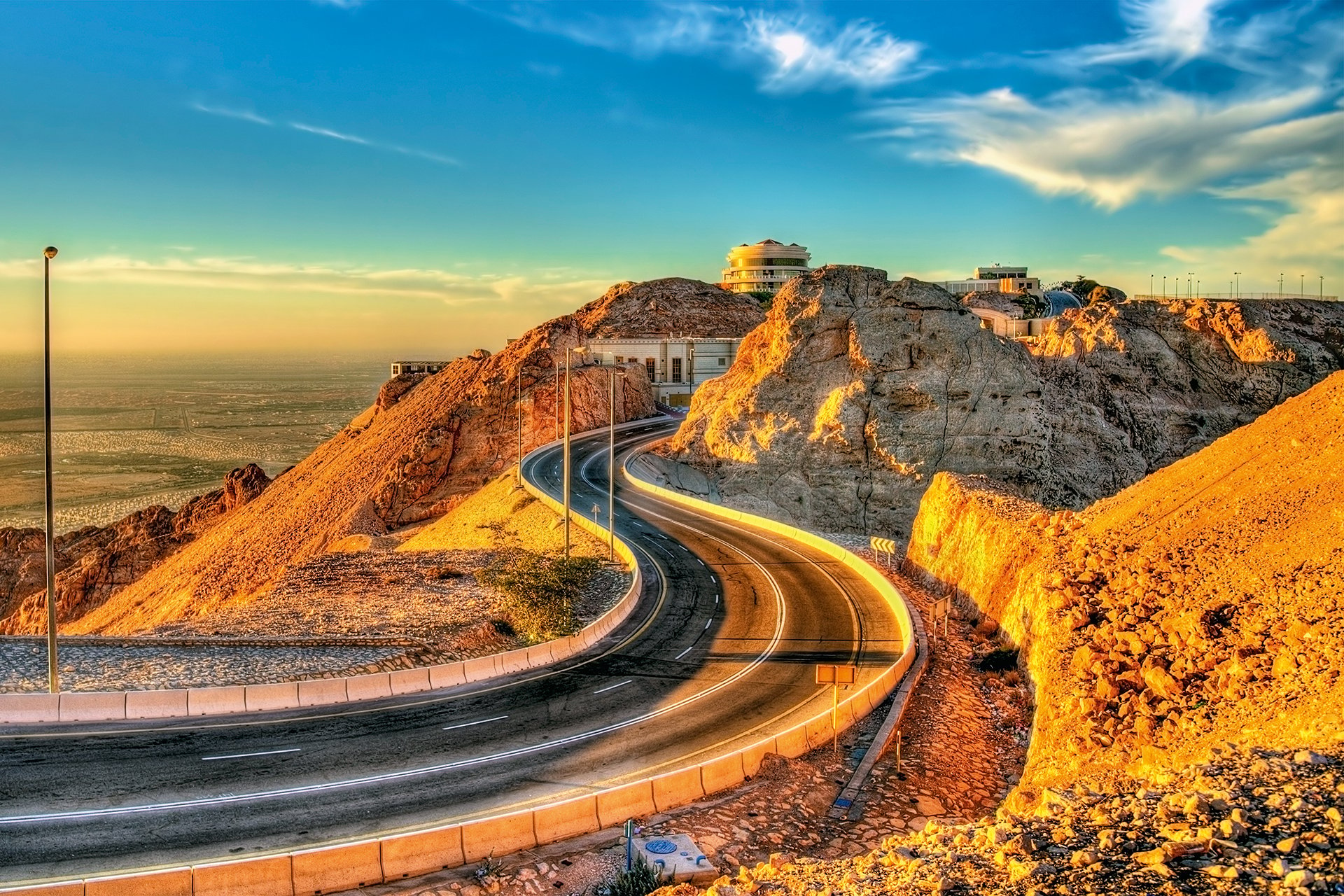
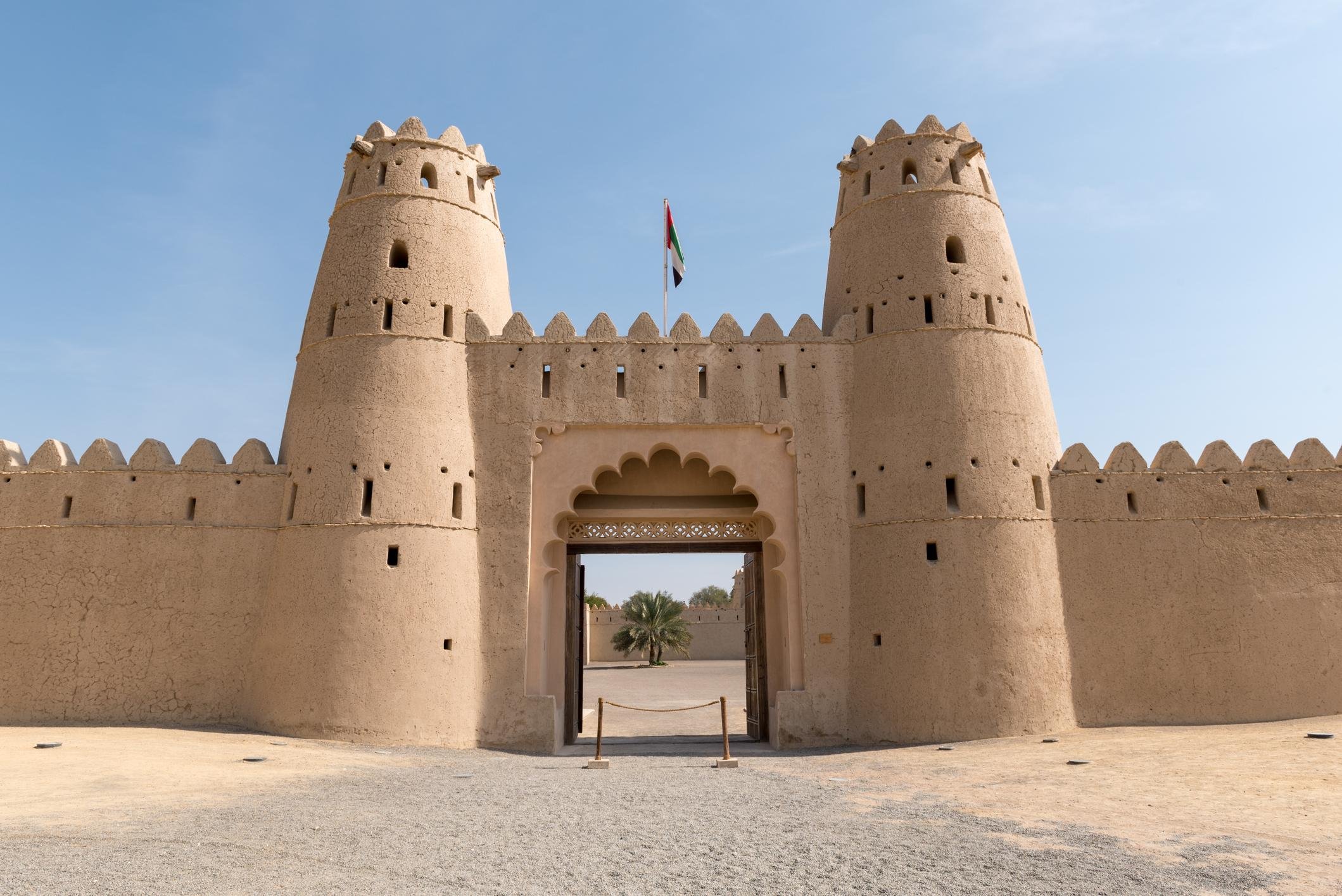
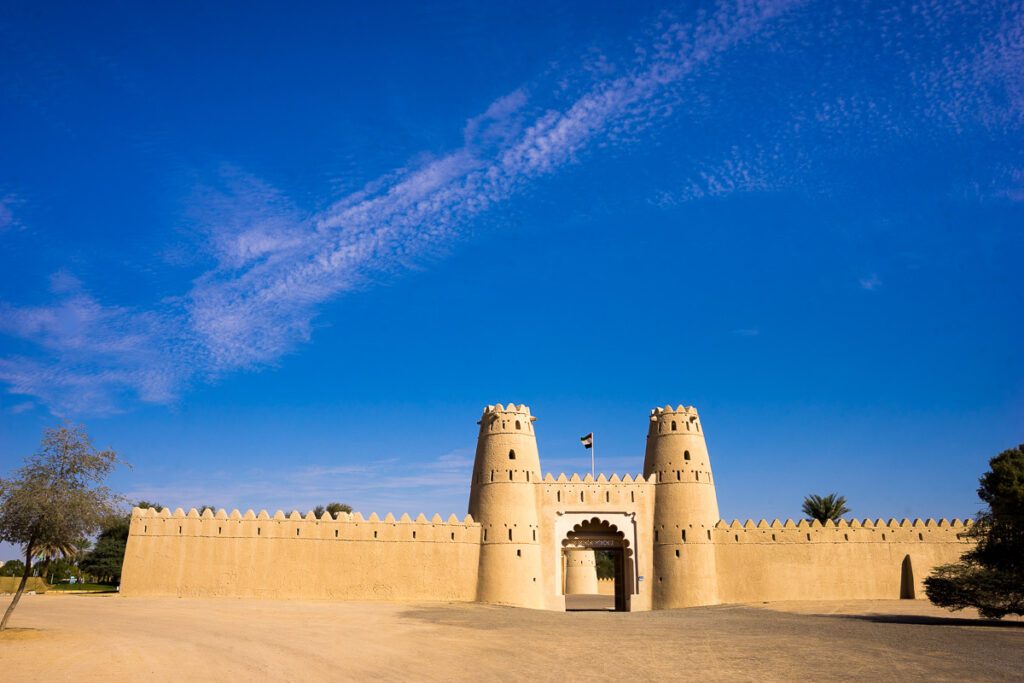
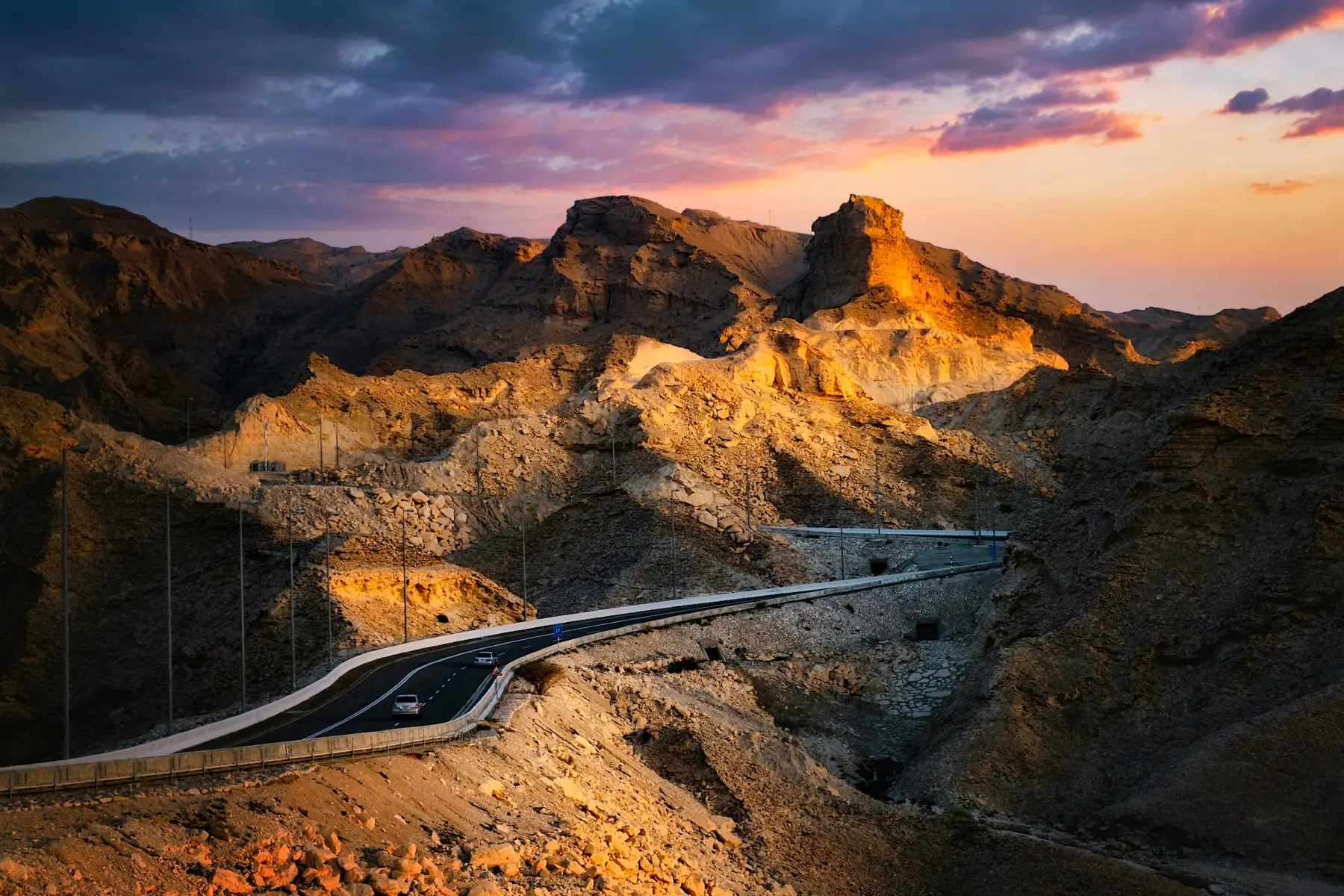
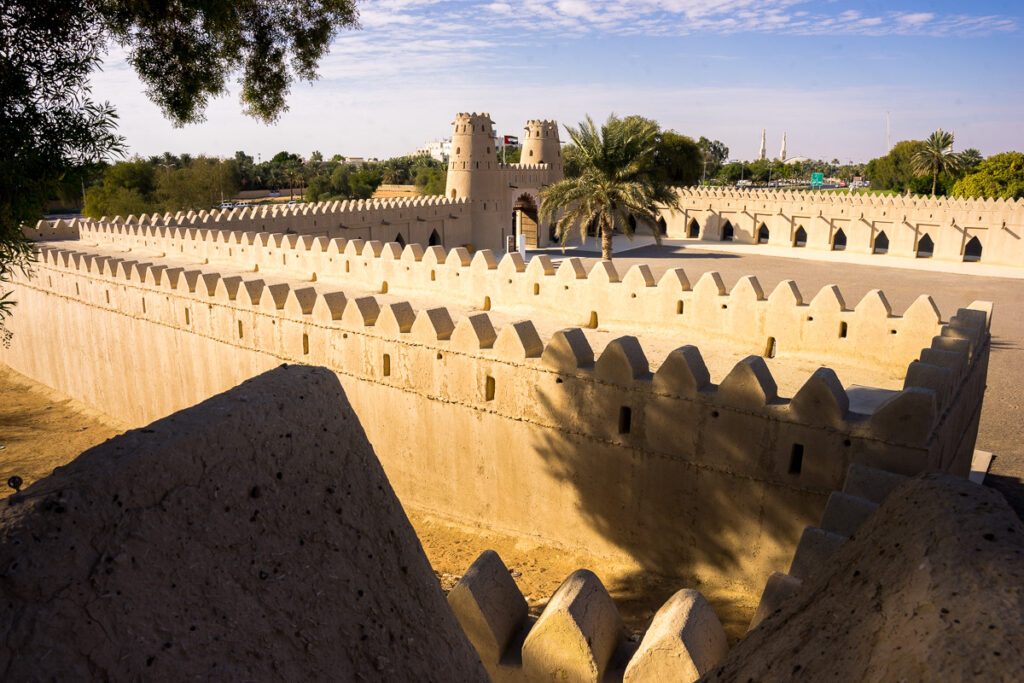
From Muwaiji, take the ring road north to Al Jahili Fort, built in 1891 and still the largest traditional structure in the Emirates. Climb the watchtower for a sightline across the northern oasis; Wilfred Thesiger's desert photographs line the ground-floor gallery. If time permits, drive twenty minutes up Jebel Hafit's twelve-kilometre road, each hairpin turn lifting you higher above the grid of green palms and white villas. Park at the summit lot, 1,240 metres up, and watch the city shrink to a geometric pattern stitched across beige stone.
All the details about your upcoming adventure in one place
Explore the garden city of the UAE with a comprehensive al ain city tour that connects you to ancient forts, traditional souqs, and desert oases. Al Ain sightseeing tours take you through Jebel Hafeet's winding mountain roads, the Cool Palace (Qasr Al Muwaiji), and Al Ain Oasis—a UNESCO World Heritage site where thousands of date palms thrive under the falaj irrigation system. Whether you book al ain city tour tickets for a private journey or join a shared group, you'll visit Camel Market, Al Jahili Fort, and the Al Ain National Museum to experience Emirati culture and Bedouin traditions firsthand.
Al Ain sits 160 kilometres east of Abu Dhabi, 120 kilometres south of Dubai, and seven millennia deep in continuous human habitation.
Archaeologists working the Hili and Bida Bint Saud sites have traced settlement here to 5000 BCE, when Neolithic communities diverted groundwater through shallow channels and planted the first date palms. Those channels—falaj in Arabic—still thread beneath the city's six UNESCO-inscribed oases, delivering aquifer water to 147,000 palms that turn the desert floor into latticed green corridors. The system earned World Heritage designation in 2011, alongside seventeen forts, towers, and archaeological parks that document the interior's evolution from Bronze Age trading post to twentieth-century seat of the Al Nahyan ruling family.
What makes Al Ain famous is its role as the Emirates' only interior oasis city and the birthplace of Sheikh Zayed bin Sultan Al Nahyan, the UAE's founding president. His childhood compound, now the Qasr Al Muwaiji museum, preserves coral-stone walls and wind towers that predate air conditioning by a century. The fort opened to visitors in 2015 after a five-year restoration, its courtyard now shaded by the same ghaf trees Zayed climbed as a boy. Across town, Al Jahili Fort—built in 1891 to defend the oasis and its date harvest—stands as the largest traditional structure in the city, its crenellated towers framing a permanent exhibition on British explorer Wilfred Thesiger's 1940s crossings of the Empty Quarter.
The Al Ain Oasis itself covers 1,200 hectares and contains 3,000-year-old irrigation tunnels still mapped by hydrologists. Visitors walk shaded pathways beneath Barhi, Khalas, and Fard date varieties, the canopy dense enough to drop temperatures ten degrees below the surrounding desert. Entry to the oasis is free; the adjacent Eco-Centre charges five dirhams and explains how gravity alone moves water through the falaj network. North of the palms, Jebel Hafit—the UAE's second-highest peak at 1,240 metres—offers a twelve-kilometre switchback road engineered in 1980, its summit parking lot 400 metres above the plain. The mountain's eastern base shelters beehive tombs from 3000 BCE, stone cairns arranged in clusters that suggest early beliefs about death and geography.
Al Ain's fourteen museums range from the National Auto Museum's private collection of 200 vintage cars to the Palace Museum's recreated 1960s state rooms. The city tourist places also include Wadi Adventure, an artificial whitewater park built in 2018, and the Al Ain Zoo, which holds 4,000 animals across 400 hectares and runs the UAE's Arabian oryx breeding program. Most al ain city tour options combine three to five sites over six to eight hours, typically starting at Qasr Al Muwaiji or the oasis before midday heat peaks. Individual attraction tickets range from free entry at heritage sites to thirty dirhams at Al Jahili Fort, while the zoo charges thirty-one dirhams for adults. Temperatures in Al Ain city average 24°C in January and 42°C in July, making autumn and winter the practical visiting window.

Seven millennia of settlement, still watered by the same falaj channels that fed Neolithic date palms.
Modest clothing is recommended when visiting cultural sites and the al ain city tour. Please ensure shoulders and knees are covered to respect local traditions.
Small daypacks are generally permitted, but large luggage should be left at your hotel. Security checks may occur at heritage landmarks included in your al ain city tour.
Photography is allowed at most outdoor landmarks during your al ain city tour. Please refrain from taking photos of government buildings or local individuals without permission.
The al ain city tour is family-friendly, with many outdoor spaces suitable for children. Strollers are recommended for easier navigation within the oasis.
Many sites on the al ain city tour are wheelchair accessible, including the Al Ain Oasis pathways. Check with your specific provider regarding vehicle lift capabilities.
Refreshment stops are standard on the al ain city tour, though you should carry extra water. Please consume food only in designated areas during your excursion.
Operating Hours
09:00–18:00
Address
Al Ain City, Abu Dhabi, United Arab Emirates
Accessibility
Wheelchair accessible transport available
Best Window
09:00–11:00
Storage
Not available on tour vehicles
Official Site
https://visitalain.ae
Cancellation terms vary by operator, with many offering free cancellation if requested at least 24 hours in advance. Please verify specific al ain city tour tickets conditions during checkout.
Recommended time
Half a day
An al ain city tour typically requires about four to five hours to adequately explore the traditional palm groves and local heritage sites. Visitors traveling from Abu Dhabi or Dubai should plan for this duration to manage transit times, as the Al Ain city landmarks are best experienced when avoiding the peak afternoon heat. While you do not need al ain city tour tickets for general entry, arriving during the recommended morning window helps you navigate cultural sites while crowd levels remain manageable. Utilizing these al ain city tour tours allows for a steady pace through the desert oasis landscapes, though al ain city tour tour schedules should always align with the operational window of 09:00–18:00.
Crowd levels through the day
Al Ain's history as a settlement traces back more than 4,000 years, making it one of the oldest continuously inhabited sites in the Arabian Peninsula. Archaeological excavations at Hili, just north of the modern city, uncovered Bronze Age tombs dating to the third millennium BCE, revealing a society that thrived on falaj irrigation and copper trade. The falaj system—underground channels that transport water from aquifers to agricultural plots—remains the engineering foundation of Al Ain's oasis economy. UNESCO inscribed the Cultural Sites of Al Ain as a World Heritage property in 2011, recognizing seventeen components including Hili Archaeological Park, the Bida bint Saud falaj network, and the six historic oases that anchor any al ain city tour. The Al Ain oasis system sustained settled life through centuries of Bedouin migration and tribal conflict. By the nineteenth century, the Bani Yas confederation controlled the region, and Sheikh Zayed bin Khalifa—known as Zayed the Great—fortified Al Ain as an inland stronghold. His grandson, Sheikh Zayed bin Sultan Al Nahyan, was born in Qasr Al Muwaiji in 1918 and later governed the Eastern Region from 1946 to 1966. During that period he expanded the falaj network, planted thousands of date palms, and transformed subsistence agriculture into export production. The Al Ain tours offered today pass through Qasr Al Muwaiji, where interpretive galleries document Zayed's early reforms and the social structure of pre-oil society. Al Ain's designation as a heritage city began in earnest after the formation of the United Arab Emirates in 1971. Zayed, now president, directed resources toward preserving the forts, restoring falaj channels, and converting historic compounds into public museums. The Al Ain National Museum opened in 1971 inside the Eastern Fort, displaying ethnographic artifacts and Neolithic tools. Al Jahili Fort, built in 1891 to protect the oasis and date harvest, underwent restoration in the 2000s and now hosts exhibitions on explorer Wilfred Thesiger's Arabian journeys. These sites anchor al ain city tour tickets, offering structured heritage interpretation alongside living date groves, traditional souqs, and the still-functioning falaj that channels groundwater from Jebel Hafeet to the oasis floor.
Bronze Age communities establish settlements at Hili, constructating monumental tombs and trading copper across the Gulf.
Iron Age expansion of the falaj irrigation network supports permanent oasis agriculture and population growth.
Al Jahili Fort is completed as a defensive stronghold protecting the date harvest and trade routes.
Sheikh Zayed bin Sultan Al Nahyan governs the Eastern Region, expanding irrigation and modernizing agriculture.
The Al Ain National Museum opens in the Eastern Fort, marking the city's transition to heritage preservation.
UNESCO designates the Cultural Sites of Al Ain as a World Heritage property, recognizing seventeen components of oasis settlement.
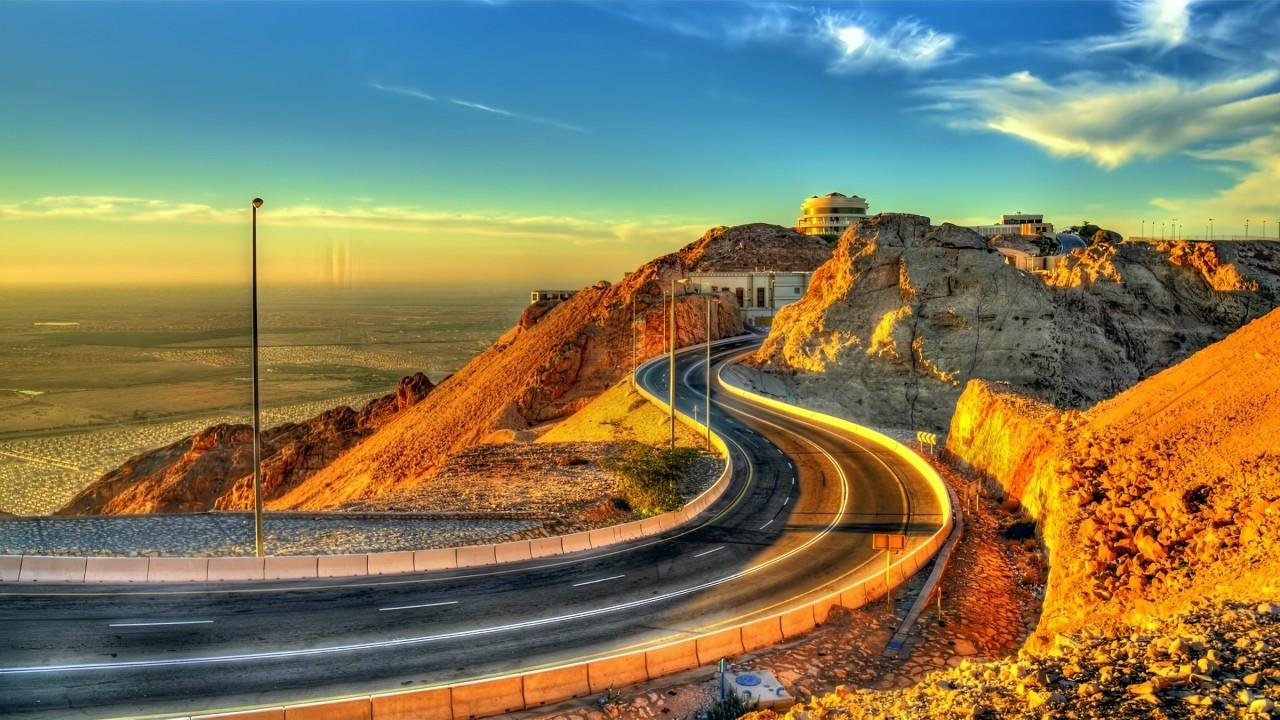
Capture the sweeping serpentine road and vast desert landscape from the highest parking area. This vantage point provides a clear perspective of the rugged mountain terrain before starting your al ain city tour.
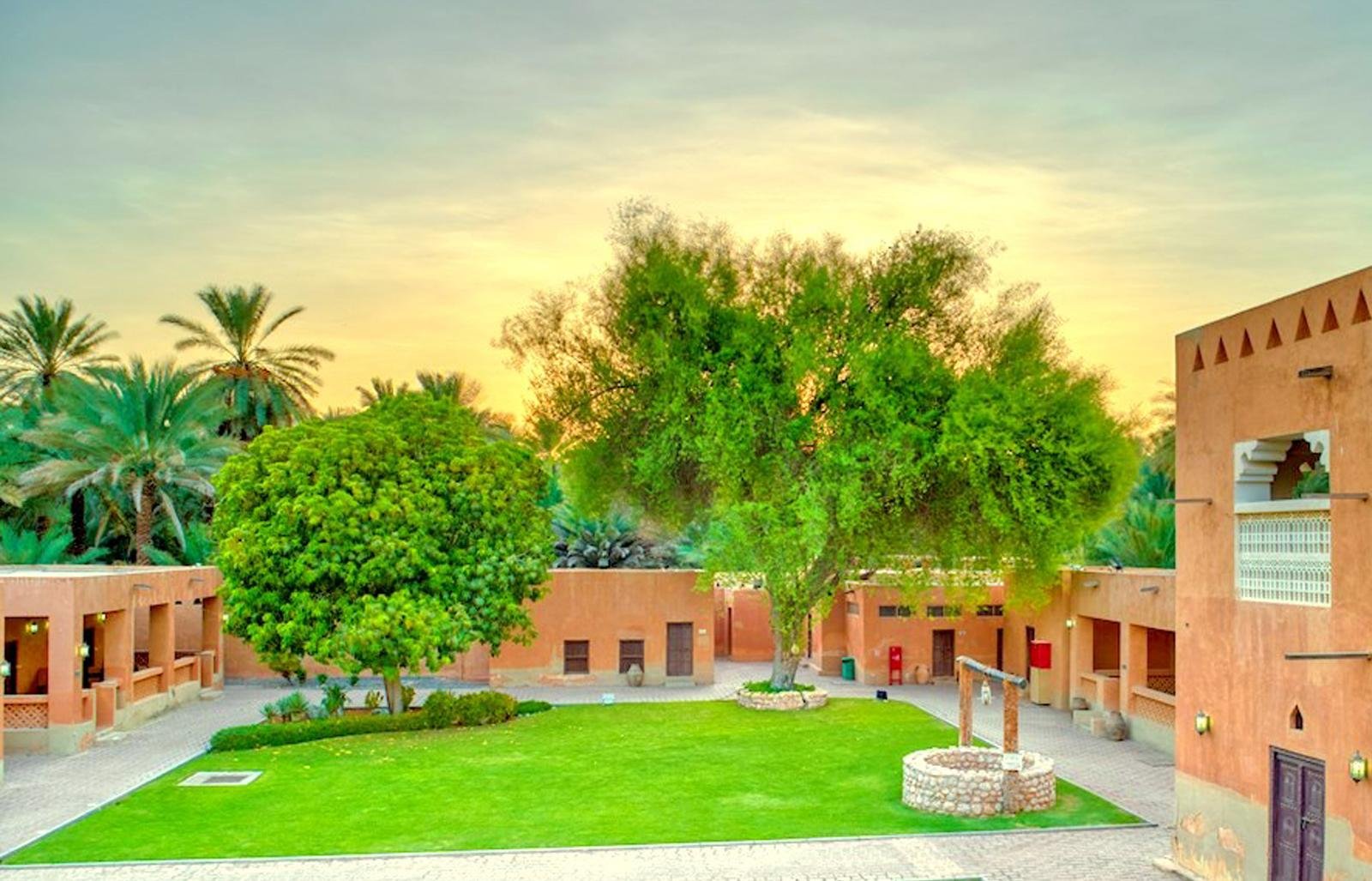
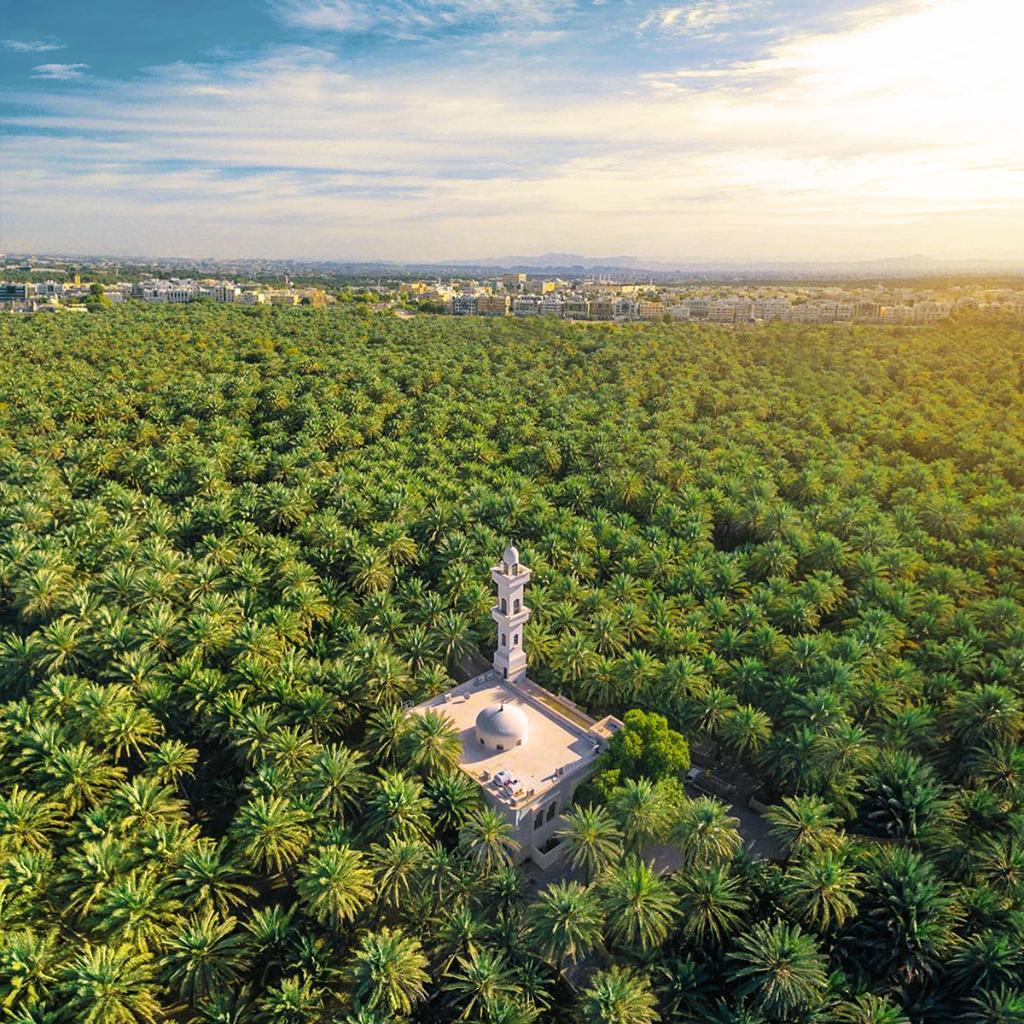
Stand within the shaded pathways to photograph the sunlight filtering through the dense canopy of thousands of date palms. These irrigation channels offer a natural frame for your local heritage sightseeing photos.
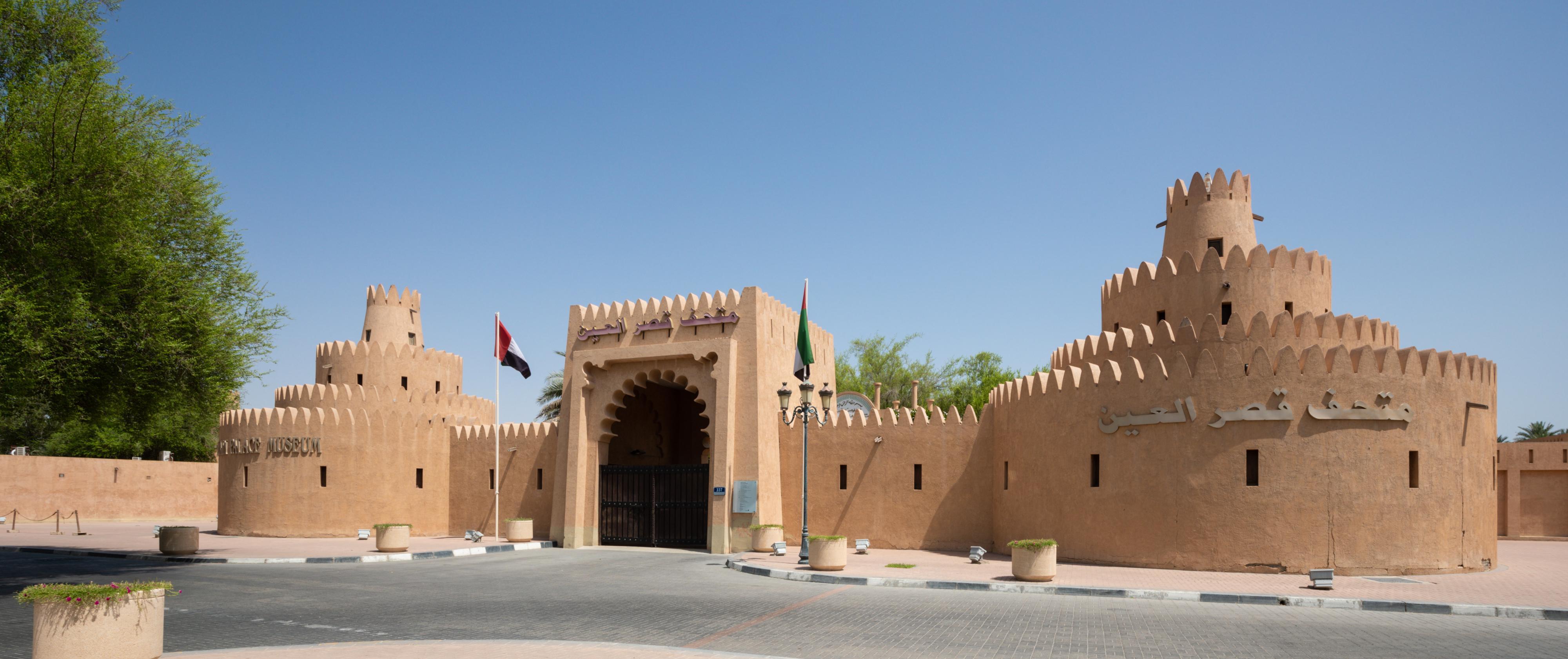
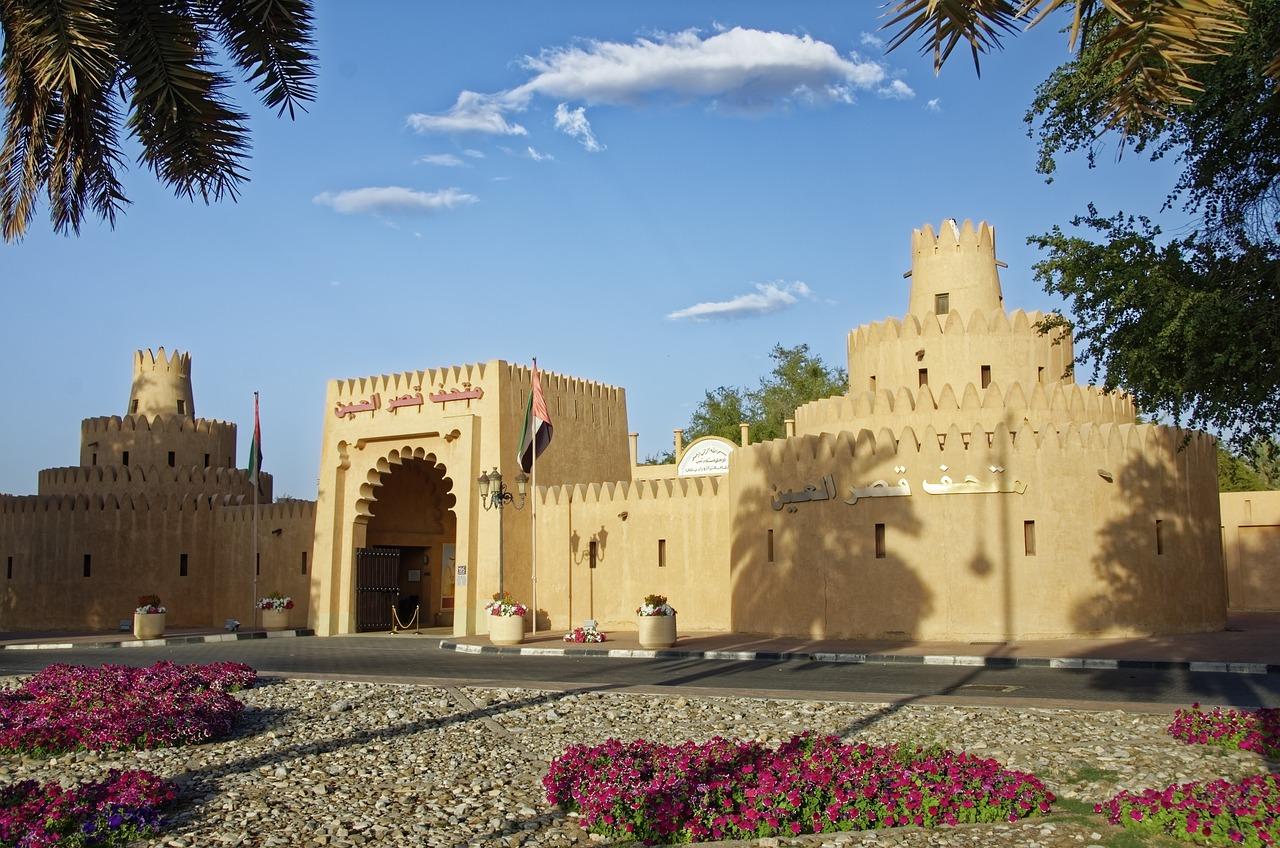
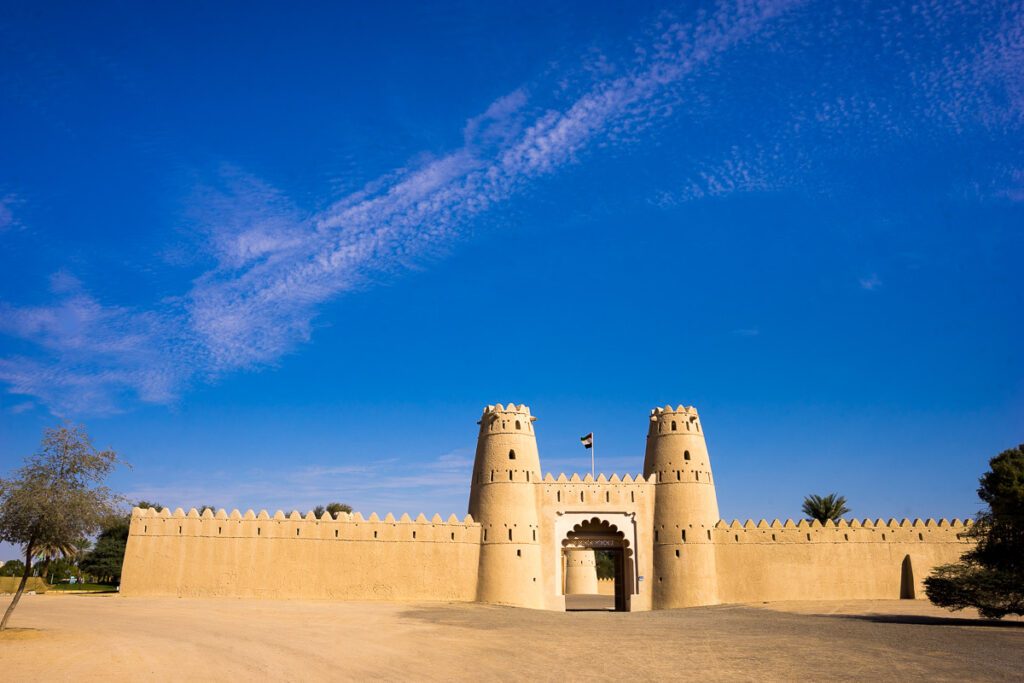
Position yourself at the main entrance gate to highlight the traditional mud-brick architecture and circular towers against the clear sky. This site is a highlight for those booking al ain city tour tours.
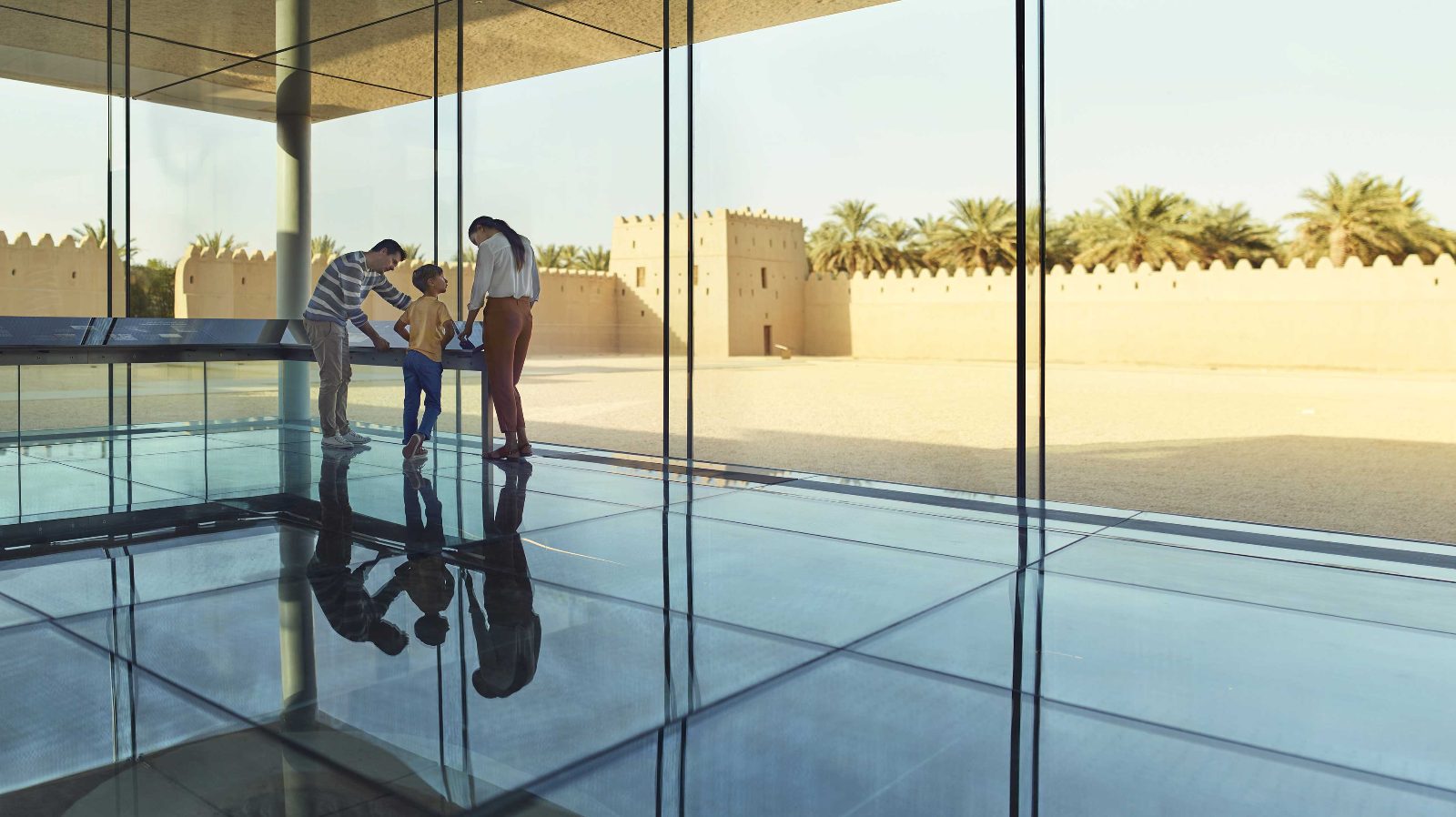
Frame the contrast between the modern glass-encased structure and the historic fort remains in the central open area. Visitors seeking al ain city tour tickets often find this architectural juxtaposition ideal for photography.
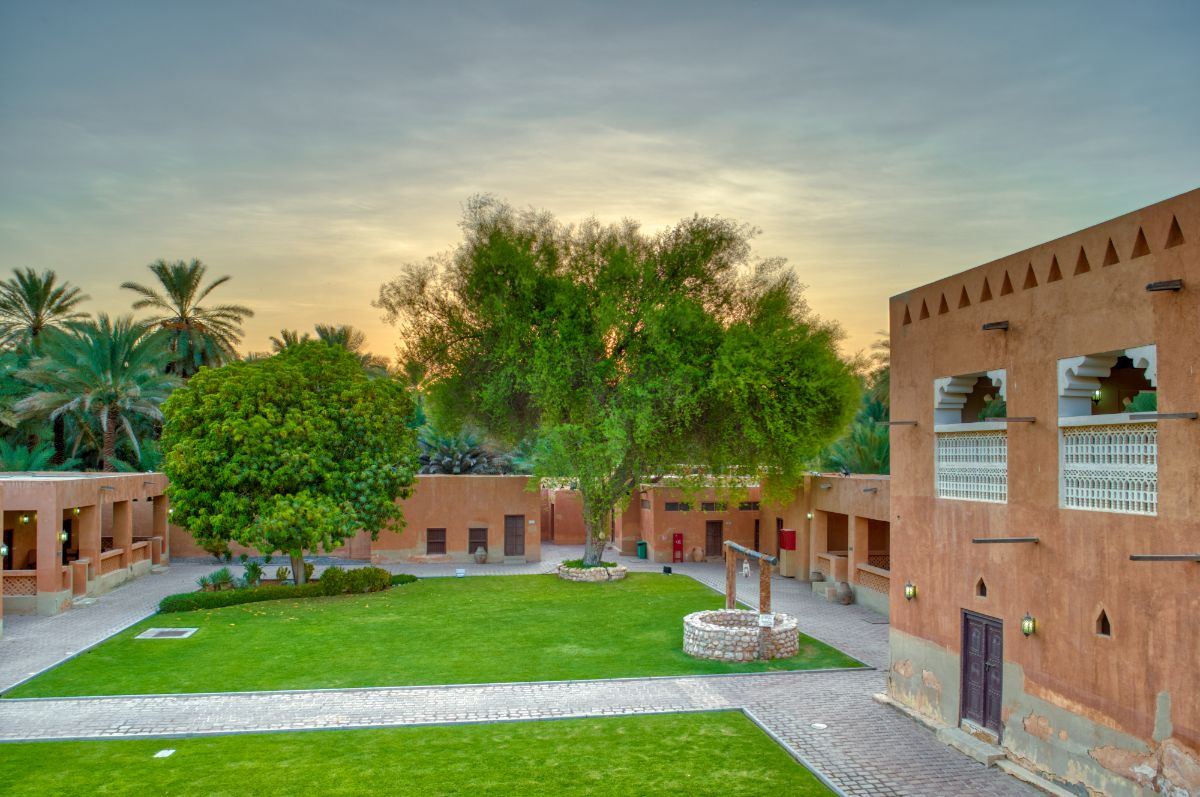
Focus on the intricately carved wooden doorways and long, airy galleries that reflect the traditional Emirati residence design. This location captures the essence of desert landmarks for your al ain city tour tour collection.
Exploring with children is straightforward when you plan your al ain city tour around the city's expansive green spaces and educational heritage sites. Navigating these landmarks offers a blend of outdoor discovery and cultural engagement suitable for various age groups.
Most oasis paths are paved or hard-packed, making them accessible for strollers, though historical forts may have uneven flooring that requires extra care. Bringing a lightweight carrier is a helpful alternative for these traditional structures during your al ain city tour tours.
Public restrooms and baby-change stations are available at major tourist hubs and the Al Ain Zoo, ensuring convenience for families throughout the day. It is advisable to pack essentials as some remote heritage sites have limited amenities for al ain city tour tickets holders.
The destination is ideal for children aged four to twelve who can enjoy the interactive nature of the zoo and the open courtyards of local landmarks. Teenagers often appreciate the historical context provided during an educational al ain city tour tour.
Given the expansive nature of these Abu Dhabi landmarks, plan for frequent breaks in shaded areas to keep energy levels manageable for younger travelers. Using the recommended arrival window of 09:00–11:00 allows you to complete the primary sightseeing before the afternoon heat peaks.
Dining options near your al ain city tour route range from traditional Emirati heritage venues to modern cafes nestled within cultural landmarks. Whether you are looking for a quick bite after exploring local landmarks or a leisurely meal, the city center provides diverse flavors to satisfy your appetite.
Experience authentic local dishes in a setting inspired by the 1960s, perfect for those booking al ain city tour tours who want a taste of heritage.
Real experiences from real travelers
Our guide was knowledgeable and the pace felt just right. We visited the oasis in the morning when it was cooler, walked through Al Jahili Fort's restored rooms, and ended at Jebel Hafeet for sunset. The drive up the mountain alone is worth it—those switchbacks offer views you won't forget.
The al ain city tour covered more ground than I expected. Camel market was authentic, not staged for tourists. Our driver pointed out the falaj irrigation system in the oasis and explained how the date harvest works. Lunch stop was simple but good.
Al Ain feels completely different from Dubai or Abu Dhabi. The UNESCO oasis is genuinely peaceful—we spent nearly an hour walking the shaded paths. Al Ain Palace Museum gave us context for Emirati heritage. Guide spoke three languages and tailored explanations to our group's interests.
Jebel Hafeet summit was the highlight for me. You can see Oman from the top on a clear day. The fort and museum were interesting though a bit warm in late morning. I'd recommend starting even earlier if you're visiting in summer. Transport was comfortable and timely.
This al ain city tour tours option suited us perfectly—small group, air-conditioned vehicle, bottled water provided throughout. The camel market is real working commerce, which I appreciated. Our guide grew up in Al Ain and shared stories you wouldn't find in guidebooks.
Al Ain's green belt comes as a surprise after the desert drive. We learned about the falaj UNESCO designation and saw how the oasis sustained the city for centuries. Jebel Hafeet road is smooth and scenic—stopped twice for photos on the way up.
The combination of nature, heritage architecture, and mountain scenery made this tour feel complete. Al Jahili Fort restoration is impressive and the exhibition inside adds depth. Guide was respectful of prayer times and local customs. Comfortable full-day experience.
Started with sunrise at the oasis—date palms, birdsong, and cool air made it magical. Al Ain Palace Museum showed us how the ruling family lived decades ago. Lunch was included and better than expected. Ended the al ain city tour at Hafeet summit with panoramic desert views.
Our guide's pride in Al Ain was contagious. She explained the significance of each fort tower and walked us through the oasis naming the palm varieties. Jebel Hafeet's geology and the view across the Empty Quarter were highlights. Well worth the drive from Abu Dhabi.
I added al ain city tour tickets last minute and I'm glad I did. The city has charm and the sites are genuinely interesting rather than flashy. Camel market runs early so we arrived around eight—active and authentic. Fort and oasis were less crowded midweek. Great alternative to the usual UAE attractions.
Everything you need to know for your journey
Entry to the city itself is free, but individual attractions and the al ain city tour experience may carry specific operator fees.
The best arrival window for your al ain city tour is 09:00–11:00 to avoid afternoon heat.
Yes, major landmarks on the al ain city tour are generally accessible, though private transport options provide better convenience.
Bring your valid ID, sunscreen, and comfortable shoes for your al ain city tour.
Yes, many operators provide private vehicles for a more personalized al ain city tour experience.
Lunch is usually optional or excluded; check your specific al ain city tour tickets for inclusions.
Dress modestly to respect the culture encountered during your al ain city tour.
Always carry a valid photo ID or passport during your al ain city tour for verification.
Yes, most itineraries for an al ain city tour include the UNESCO-listed Al Ain Oasis.
A comprehensive al ain city tour typically requires a full day, often lasting 8–9 hours.
Join thousands of happy travelers who have discovered this incredible experience
Book Your Experience Now